We Provide Quality Carton Machinery for Global Customers

Troubleshooting Common Issues with Automatic Corrugated Box Making Machines: A Comprehensive Guide
1. Introduction to Automatic Corrugated Box Making Machines
Automatic corrugated box making machines play a vital role in the packaging industry, enhancing productivity and ensuring consistent quality in box production. These machines are designed to streamline the manufacturing process, reducing manual labor and increasing efficiency. However, like any other equipment, they can face occasional challenges that may disrupt operations. Understanding how to troubleshoot these common issues can significantly improve the workflow and longevity of these machines.
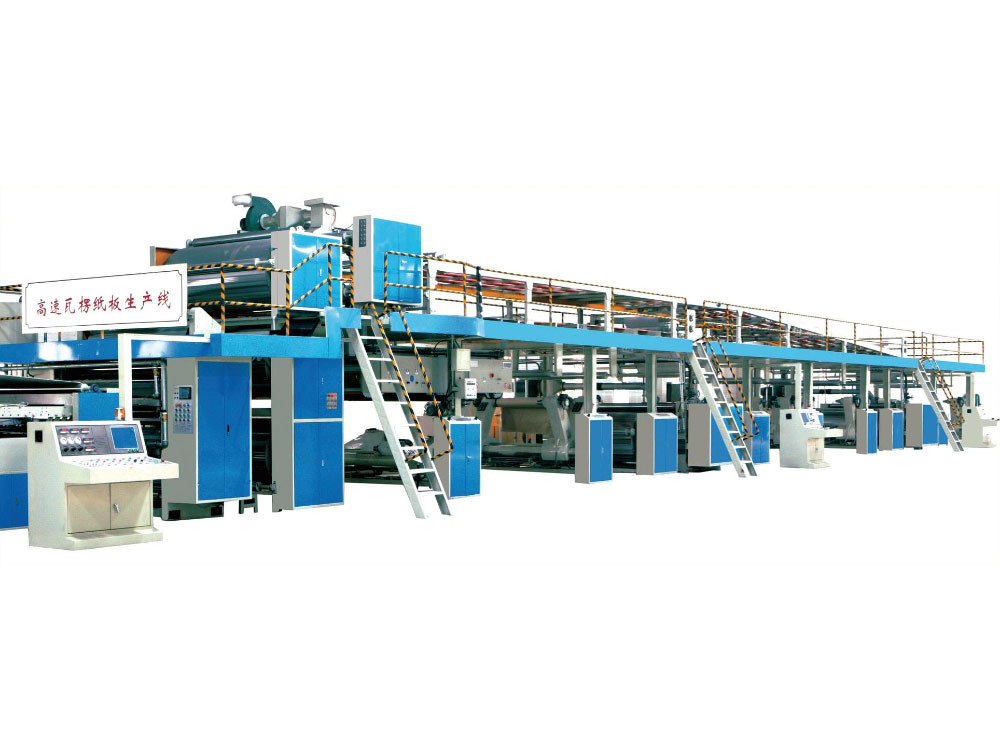
2. Common Issues Faced by Automatic Corrugated Box Making Machines
While automatic corrugated box making machines are generally reliable, operators may encounter several common issues that can impact production. Recognizing and addressing these problems promptly is essential for maintaining optimal performance. Below, we discuss four prevalent issues and offer effective troubleshooting techniques for each.
3. Issue #1: Paper Jamming
Paper jamming is one of the most frequent problems faced by automatic corrugated box making machines. It can halt production and lead to significant downtime.
Causes of Paper Jamming
Understanding the root causes of paper jamming can help in addressing the issue effectively:
- Moisture Content: Excess moisture in the paper can cause it to stick together, leading to jams.
- Incorrect Feed Alignment: Misalignment of the paper feed can lead to improper stacking and jamming.
- Worn Rollers: Deterioration of the feed rollers can reduce grip and lead to slippage.
Troubleshooting Steps
To resolve paper jamming issues, follow these steps:
1. Check Paper Quality: Ensure that the paper used meets the specified moisture levels. Use a moisture meter to verify.
2. Adjust Feed Alignment: Inspect the machine’s feed system and realign any misaligned components.
3. Inspect Rollers: Regularly check the condition of the rollers. Replace any worn or damaged rollers promptly.
4. Issue #2: Inconsistent Cutting
Inconsistent cutting can lead to boxes that do not meet quality standards, resulting in wasted materials and increased production costs.
Causes of Inconsistent Cutting
Several factors can contribute to inconsistent cutting:
- Dull Blades: Over time, cutting blades can become dull, affecting the precision of cuts.
- Improper Blade Settings: Incorrect blade height or angle can lead to uneven cuts.
- Material Thickness Variations: Inconsistent thickness in corrugated sheets can hinder uniform cutting.
Troubleshooting Steps
To ensure consistent cutting, consider the following:
1. Replace Dull Blades: Regularly inspect and replace cutting blades as needed to maintain sharpness.
2. Adjust Blade Settings: Review and recalibrate blade settings to ensure they are correctly positioned.
3. Monitor Material Quality: Source materials from reputable suppliers to reduce the risk of thickness variations.
5. Issue #3: Poor Glue Application
Poor glue application can weaken the structural integrity of the boxes, leading to decreased performance during shipping and handling.
Causes of Poor Glue Application
Several factors might result in inadequate glue application:
- Inconsistent Glue Viscosity: Variations in glue viscosity can affect its spreadability.
- Clogged Nozzles: Accumulation of dried glue can block nozzles, leading to uneven application.
- Incorrect Application Timing: Applying glue too early or too late can impede proper bonding.
Troubleshooting Steps
To enhance glue application, implement these strategies:
1. Check Glue Quality: Ensure that the glue used is within the manufacturer’s recommended specifications.
2. Clean Nozzles Regularly: Schedule frequent cleaning of glue nozzles to prevent clogs and ensure smooth operation.
3. Adjust Application Timing: Fine-tune the timing of the glue application mechanism to ensure optimal bonding.
6. Issue #4: Mechanical Failures
Mechanical failures can disrupt the entire production line and lead to costly repairs.
Common Mechanical Failures
Mechanical failures can occur due to:
- Wear and Tear: Over time, components may wear out from continuous operation.
- Inadequate Lubrication: Lack of lubrication can lead to increased friction and component failure.
- Electrical Issues: Faulty wiring or electrical components can halt machine operations.
Troubleshooting Steps
To mitigate mechanical failures, adhere to these practices:
1. Conduct Regular Inspections: Implement a routine maintenance schedule to identify and replace worn components.
2. Maintain Lubrication Levels: Regularly check and replenish lubrication in moving parts to keep the machine running smoothly.
3. Inspect Electrical Systems: Regularly examine electrical connections and components to prevent failures.
7. Essential Maintenance Tips for Optimal Performance
Preventative maintenance is crucial in ensuring the longevity and efficiency of automatic corrugated box making machines. Here are some essential maintenance tips:
Regular Cleaning
- Keep the Machine Clean: Dust and debris can accumulate, affecting machine performance. Regular cleaning can prevent issues like jamming.
Scheduled Inspections
- Conduct Routine Inspections: Regular inspections can help identify wear and tear before they lead to significant issues. Check belts, rollers, and electrical connections.
Training for Operators
- Train Machine Operators: Ensure that operators are well-trained in the proper use and maintenance of the machine to prevent operational errors.
Documentation of Issues
- Maintain a Maintenance Log: Document any issues encountered and the steps taken to resolve them. This can help in identifying recurring problems.
8. Frequently Asked Questions (FAQs)
1. What are the most common issues with automatic corrugated box making machines?
The most frequent problems include paper jamming, inconsistent cutting, poor glue application, and mechanical failures.
2. How can I prevent paper jamming in my machine?
Ensure that the paper quality is optimal, check the alignment of the feed system, and inspect rollers for wear.
3. What should I do if the cutting blades are dull?
Regularly inspect the blades and replace them as needed to maintain sharpness and cutting precision.
4. How can I improve glue application?
Monitor glue quality, clean nozzles regularly, and adjust the timing of the glue application to enhance bonding.
5. What maintenance practices should be implemented for longevity?
Regular cleaning, scheduled inspections, operator training, and maintaining a maintenance log are key practices.
9. Conclusion
Troubleshooting common issues with automatic corrugated box making machines is essential for maintaining productivity and quality in the packaging industry. By understanding the root causes of these problems and implementing effective solutions, manufacturers can enhance operational efficiency and reduce downtime. Regular maintenance and operator training further contribute to the overall performance of these machines, ensuring they serve their purpose effectively for years to come. Embrace these best practices and keep your machinery running smoothly, thereby achieving greater success in your manufacturing endeavors.
TAG:
Related Posts

Unlocking Efficiency in Packaging: The Role of Folder Gluers


We Provide Quality Carton Machinery for Global Customers


South Road West, Intersection of Guanzhou Road and Wuqian Road, Dongguang County, Cangzhou City, Hebei Province, China