We Provide Quality Carton Machinery for Global Customers

Maximizing Efficiency with Automatic Die Cutting Machines
Automatic die cutting machines have revolutionized the manufacturing sector by enhancing precision and efficiency in the cutting process. These advanced machines are crucial for various industries, including packaging, labeling, and printing. They utilize automated systems to perform intricate cutting tasks, allowing for high-volume production with minimal manual intervention.
One of the primary advantages of automatic die cutting machines is their ability to handle various materials, including paper, cardboard, plastic, and even metal. This versatility makes them indispensable for manufacturers looking to diversify their product offerings. Additionally, the precision of these machines ensures that every cut is accurate, reducing material waste and enhancing the overall quality of the finished products.
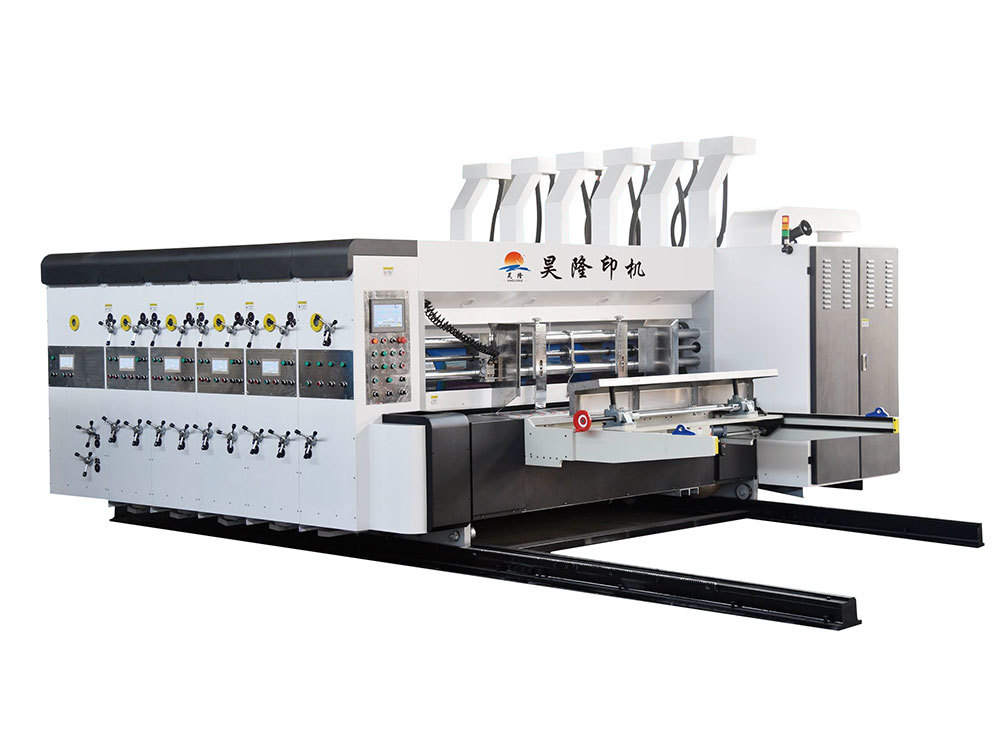
In terms of technology, automatic die cutting machines are equipped with sophisticated software that enables seamless design integration. This feature allows operators to create and modify designs quickly, facilitating rapid prototyping and customization. Furthermore, many models incorporate advanced sensors and automation systems that monitor the cutting process in real-time, ensuring optimal performance and minimizing the risk of errors.
Another significant benefit of these machines is their ability to increase production speed. Traditional die cutting methods can be time-consuming and labor-intensive. In contrast, automatic die cutting machines can operate at high speeds, significantly reducing turnaround times. This efficiency is particularly beneficial for businesses aiming to meet tight deadlines and respond quickly to market demands.
Moreover, the implementation of automatic die cutting machines can lead to substantial cost savings over time. While the initial investment may be higher than manual machines, the long-term benefits, such as increased productivity and reduced labor costs, often outweigh the costs. Companies can also benefit from lower energy consumption rates, as many modern machines are designed to operate more efficiently than their predecessors.
When considering the adoption of an automatic die cutting machine, it is essential for manufacturers to evaluate their specific needs and production goals. Factors such as the types of materials to be processed, the complexity of designs, and production volumes should inform the selection of an appropriate machine model. Additionally, ongoing maintenance and support are crucial to ensure the longevity and reliability of the equipment.
In conclusion, automatic die cutting machines represent a significant advancement in the manufacturing and post-processing sectors. Their ability to enhance efficiency, precision, and versatility makes them an invaluable asset for businesses looking to optimize their production processes. By investing in this technology, manufacturers can not only improve their operational capabilities but also position themselves competitively in a rapidly evolving market.
TAG:
Related Posts

Unlocking Efficiency in Packaging: The Role of Folder Gluers


We Provide Quality Carton Machinery for Global Customers


South Road West, Intersection of Guanzhou Road and Wuqian Road, Dongguang County, Cangzhou City, Hebei Province, China