We Provide Quality Carton Machinery for Global Customers

Understanding Box Machines: A Key Component in Paper Packaging Solutions
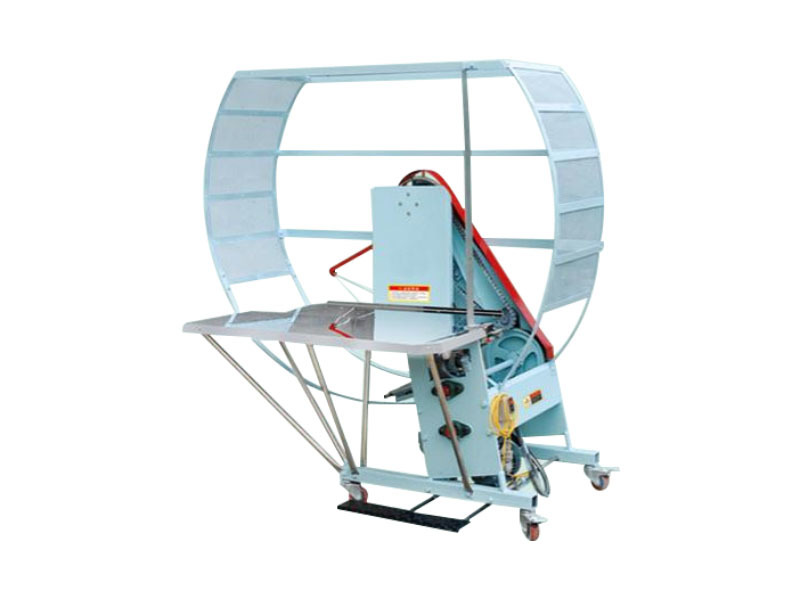
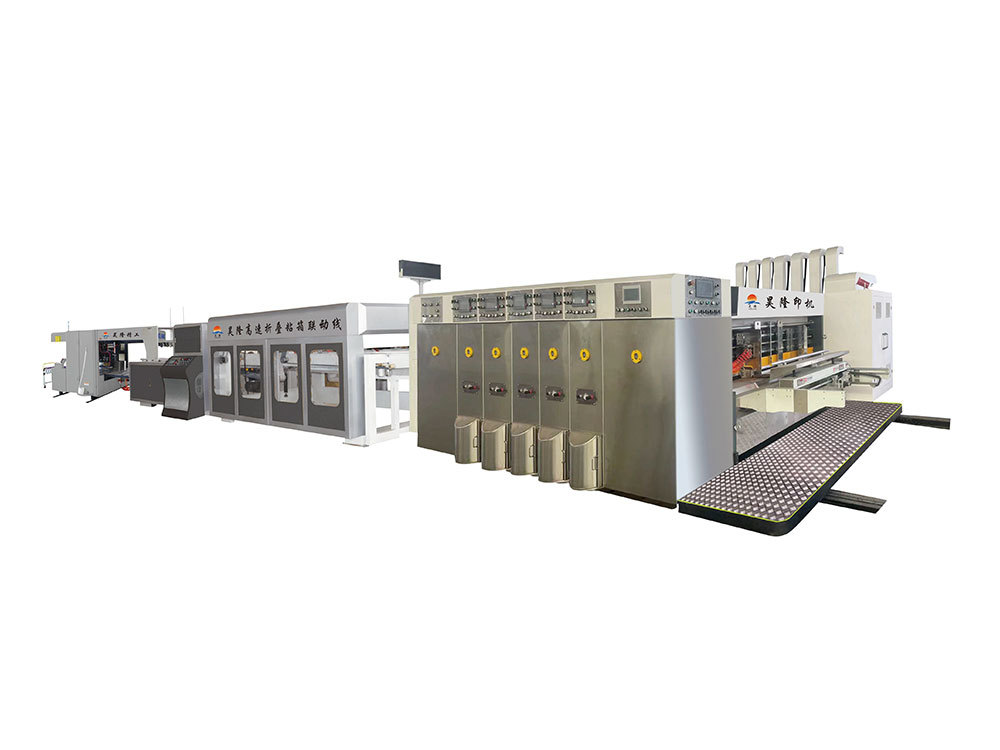
Box machines are specialized equipment designed for the production of various types of paper-based boxes and containers. Their primary function is to automate the process of shaping, folding, and gluing paper into finished packaging products. By integrating advanced technology, these machines enhance efficiency, reduce labor costs, and improve the overall quality of packaging.
One of the standout features of modern box machines is their versatility. They can produce a wide range of box styles, including regular slotted containers, die-cut boxes, and folding cartons. This adaptability allows manufacturers to cater to diverse customer needs, whether for retail, shipping, or storage purposes. Moreover, many box machines are designed to handle different types of paper substrates, from corrugated board to lightweight paper, making them valuable assets for companies involved in the production of various paper packaging solutions.
Another critical advantage of utilizing box machines is their potential for increased production speed. Traditional box-making processes often rely heavily on manual labor, which can be time-consuming and prone to errors. In contrast, box machines operate at a much higher speed and with greater precision, significantly reducing the time from production to delivery. This rapid output is particularly beneficial for businesses facing high demand or those looking to optimize their supply chain efficiency.
Additionally, box machines contribute to sustainability efforts within the packaging industry. With the growing emphasis on eco-friendly practices, many modern machines are designed to minimize waste during the production process. This can include features such as efficient paper cutting and reduced energy consumption, allowing companies to produce packaging solutions that align with their environmental goals.
When considering the implementation of a box machine in your packaging operations, it’s essential to evaluate the specific needs of your business. Factors to consider include the volume of production, types of boxes required, and available space for the machinery. Investing in the right box machine can lead to substantial long-term benefits, including enhanced productivity, improved product quality, and a competitive edge in the market.
In conclusion, box machines play a pivotal role in the manufacturing of paper packaging containers. By automating and streamlining the box-making process, these machines not only improve efficiency but also contribute to the sustainability of packaging practices. As the packaging industry continues to evolve, understanding the capabilities and advantages of box machines will be crucial for businesses looking to thrive in this competitive landscape. Whether you are in the market for new equipment or seeking to optimize your existing processes, exploring the world of box machines could be a significant step toward achieving your packaging goals.
TAG:
Related Posts

Unlocking Efficiency in Packaging: The Role of Folder Gluers
In the realm of manufacturing and processing machinery, particularly within the packaging machinery sector, folder gluers play a pivotal role. These machines are designed specifically for the efficient assembly of folding cartons, which are widely used in various industries, from food and beverage to pharmaceuticals. Understanding the functionality and benefits of folder gluers can significantly i


We Provide Quality Carton Machinery for Global Customers


South Road West, Intersection of Guanzhou Road and Wuqian Road, Dongguang County, Cangzhou City, Hebei Province, China