We Provide Quality Carton Machinery for Global Customers

Understanding the Advanced Technology of Automatic Printing Slotting Die Cutting Machines
Understanding the Advanced Technology of Automatic Printing Slotting Die Cutting Machines
Automatic printing slotting die cutting machines play a pivotal role in the manufacturing and packaging industries. These machines are essential for creating high-quality packaging solutions and printed materials, streamlining production processes, and enhancing efficiency. In this article, we will explore the technology behind these machines, their components, applications, and the benefits they offer to businesses.
Table of Contents
- 1. Introduction to Automatic Printing Slotting Die Cutting Machines
- 2. Technology Overview
- 3. Key Components of Automatic Printing Slotting Die Cutting Machines
- 4. Working Principle of Automatic Printing Slotting Die Cutting Machines
- 5. Applications in Various Industries
- 6. Advantages of Using Automatic Printing Slotting Die Cutting Machines
- 7. Maintenance Tips for Optimal Performance
- 8. Future Trends in Die Cutting Technology
- 9. Frequently Asked Questions
- 10. Conclusion
1. Introduction to Automatic Printing Slotting Die Cutting Machines
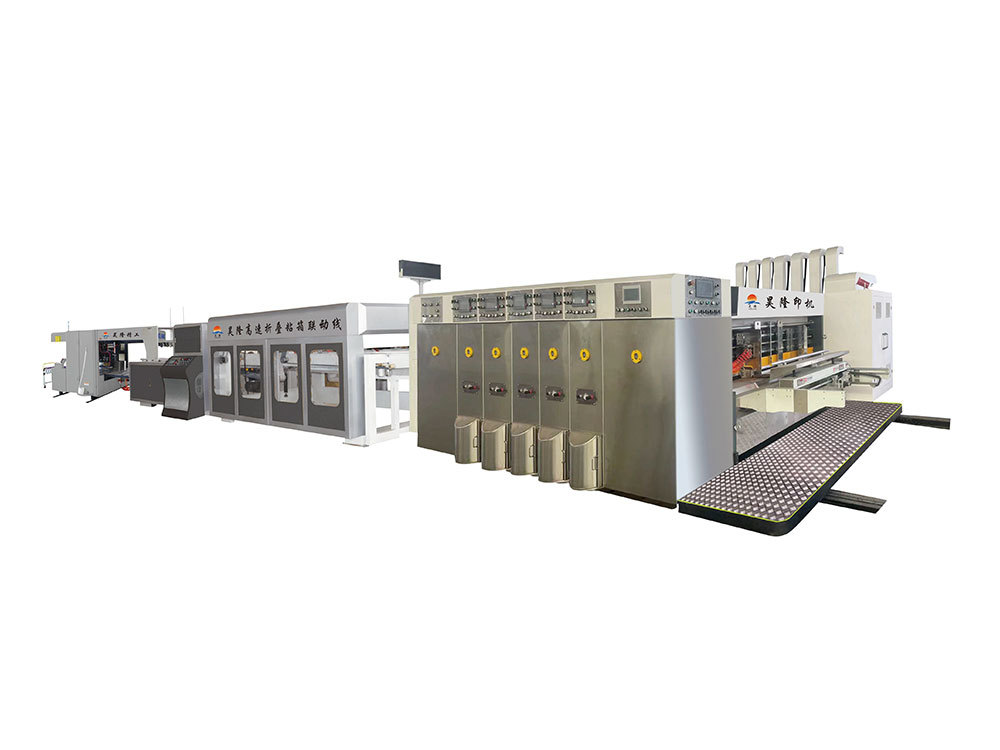
Automatic printing slotting die cutting machines are integral to the production of packaging materials, particularly in industries like food and beverage, electronics, and consumer goods. These machines automate the processes of printing, slotting, and die cutting in a single operation, enhancing productivity and consistency.
Traditionally, these processes were labor-intensive, requiring multiple machines and extensive manual labor. However, the advent of automatic machines has revolutionized the industry, allowing for faster production speeds, reduced material waste, and improved product quality.
2. Technology Overview
The technology behind automatic printing slotting die cutting machines involves a combination of mechanical engineering, electronics, and software. These machines leverage advanced technologies such as:
- **Servo Motors:** These motors enhance precision and speed, allowing for better control over the printing and cutting processes.
- **Computer Numerical Control (CNC):** CNC technology offers high accuracy in die cutting and slotting, ensuring that each product meets stringent specifications.
- **Optical Sensors:** These sensors are used for alignment and registration, ensuring that printed graphics align perfectly with the die-cut areas.
The integration of these technologies results in a streamlined production process that minimizes human error and maximizes efficiency.
3. Key Components of Automatic Printing Slotting Die Cutting Machines
Understanding the key components of these machines is crucial for appreciating their functionality and capabilities. Here are the main components:
3.1 Printing Unit
The printing unit is where the graphics are applied to the substrate. This unit can utilize various printing technologies, including flexographic, gravure, or digital printing, depending on the specific requirements.
3.2 Slotting Mechanism
The slotting mechanism creates slots in the substrate, which are essential for the folding and assembling of packaging materials. This component must operate with high precision to ensure accurate slots that facilitate proper assembly.
3.3 Die Cutting Station
The die cutting station is responsible for cutting the printed material into the desired shapes and sizes. This component can use various cutting techniques, including flatbed and rotary die cutting.
3.4 Control System
The control system is the brain of the machine, allowing operators to set parameters, monitor performance, and troubleshoot issues. Modern machines often come with user-friendly interfaces and software that make operation intuitive.
3.5 Conveying System
The conveying system transports the substrate through the different processing stages. It ensures smooth transitions between printing, slotting, and die cutting, thus enhancing overall efficiency.
4. Working Principle of Automatic Printing Slotting Die Cutting Machines
The operation of automatic printing slotting die cutting machines can be broken down into several key steps:
4.1 Material Loading
The substrate, often in sheet form, is loaded into the machine. Automated feeding systems ensure that the material is fed consistently and accurately.
4.2 Printing Process
In the printing unit, the desired graphics are printed onto the substrate using the selected printing technology. The machine adjusts the ink application based on the substrate type and the desired print quality.
4.3 Slotting Operation
After printing, the material moves to the slotting mechanism, which creates slots as per the specifications. This step is critical for ensuring that the final product can be folded and assembled correctly.
4.4 Die Cutting Process
Next, the substrate enters the die cutting station, where it is cut into the final shape. This process can involve multiple cuts, depending on the complexity of the design.
4.5 Quality Control and Output
Finally, the finished products are checked for quality and accuracy. Any defective pieces are removed, and the good ones are stacked for packaging and shipping.
5. Applications in Various Industries
Automatic printing slotting die cutting machines find applications across several industries:
5.1 Packaging Industry
The packaging industry is the primary user of these machines. They are used to create boxes, cartons, and other forms of packaging that require precise printing and cutting.
5.2 Electronics
In the electronics sector, these machines help produce packaging that protects sensitive components. The precise cuts and slots ensure that packaging fits securely around products.
5.3 Food and Beverage
Food packaging requires strict adherence to hygiene and quality standards. Automatic printing slotting die cutting machines produce packaging that is not only attractive but also safe for food contact.
5.4 Medical Industry
The medical industry relies on these machines for packaging sterile products, ensuring that the packaging maintains its integrity and supports safety protocols.
6. Advantages of Using Automatic Printing Slotting Die Cutting Machines
Investing in automatic printing slotting die cutting machines comes with numerous advantages:
6.1 Increased Efficiency
These machines significantly reduce production time by performing multiple functions in one pass, allowing businesses to meet high-demand periods without compromising quality.
6.2 Cost Reduction
Automating the printing and cutting processes minimizes labor costs and reduces material waste, leading to substantial savings for companies.
6.3 Enhanced Precision
The integration of advanced technologies ensures that every cut and print is executed with high precision, reducing errors and improving overall product quality.
6.4 Versatility
These machines can handle various substrates, from paper and cardboard to plastics and specialty materials, making them suitable for diverse applications.
6.5 Improved Product Quality
By ensuring consistency in printing and cutting, these machines enhance the overall quality of the final products, which can lead to increased customer satisfaction.
7. Maintenance Tips for Optimal Performance
To ensure that automatic printing slotting die cutting machines operate efficiently, regular maintenance is essential. Here are some best practices:
7.1 Regular Cleaning
Keeping the machine clean prevents dust and debris from affecting the mechanisms. Regular cleaning of the printing unit and cutting components is essential.
7.2 Lubrication
Proper lubrication of moving parts reduces friction and wear, prolonging the lifespan of the machine.
7.3 Software Updates
Keeping the control systems and software updated ensures optimal performance and can introduce new features that enhance functionality.
7.4 Routine Inspections
Conduct periodic inspections to identify worn or damaged parts. Replacing these components promptly can prevent significant downtime and costly repairs.
8. Future Trends in Die Cutting Technology
As technology continues to evolve, the future of automatic printing slotting die cutting machines looks promising:
8.1 Integration of AI and Machine Learning
Artificial intelligence and machine learning can optimize machine performance by analyzing production data and predicting maintenance needs.
8.2 Eco-Friendly Innovations
With an increasing focus on sustainability, future machines may utilize eco-friendly materials and processes, reducing their environmental impact.
8.3 Smart Manufacturing
The rise of Industry 4.0 will likely see these machines integrated into smart manufacturing systems, allowing for real-time monitoring and control.
9. Frequently Asked Questions
9.1 What materials can be processed with these machines?
Automatic printing slotting die cutting machines can handle a variety of materials, including paper, cardboard, plastic, and specialty substrates.
9.2 How much space do these machines require?
The required space varies by machine model, but they typically need a dedicated area that allows for efficient workflow and easy access for maintenance.
9.3 Are these machines suitable for small businesses?
Yes, many manufacturers offer compact models tailored for small to medium-sized businesses, providing scalability as production needs grow.
9.4 What is the average lifespan of these machines?
With proper maintenance, these machines can last many years, often exceeding a decade, depending on usage and upkeep.
9.5 Can these machines be customized for specific needs?
Yes, many manufacturers offer customization options to meet specific production requirements, including size, speed, and functionality.
10. Conclusion
Understanding the technology behind automatic printing slotting die cutting machines is vital for professionals in the manufacturing and packaging industries. These machines not only enhance productivity and efficiency but also improve product quality and reduce costs. By investing in this advanced technology, businesses can stay competitive in an ever-evolving market. As we look toward the future, innovations such as AI integration and eco-friendly practices will further enhance the capabilities of these essential machines. Embracing these advancements will be crucial for companies aiming to thrive in the fast-paced manufacturing landscape.
TAG:
Related Posts

Unlocking Efficiency in Packaging: The Role of Folder Gluers
In the realm of manufacturing and processing machinery, particularly within the packaging machinery sector, folder gluers play a pivotal role. These machines are designed specifically for the efficient assembly of folding cartons, which are widely used in various industries, from food and beverage to pharmaceuticals. Understanding the functionality and benefits of folder gluers can significantly i


We Provide Quality Carton Machinery for Global Customers


South Road West, Intersection of Guanzhou Road and Wuqian Road, Dongguang County, Cangzhou City, Hebei Province, China