We Provide Quality Carton Machinery for Global Customers

The Best Practices for Operating Corrugated Box Printing Machines: Enhance Efficiency and Quality
Introduction to Corrugated Box Printing Machines
The packaging industry has seen exponential growth in recent years, with corrugated boxes becoming a primary choice for shipping and storage. Robust, lightweight, and customizable, these boxes need high-quality printing for branding and information dissemination. Operating corrugated box printing machines effectively is crucial for any business aiming to provide superior packaging solutions. This article outlines best practices that will help operators maximize efficiency, quality, and safety throughout the production process.
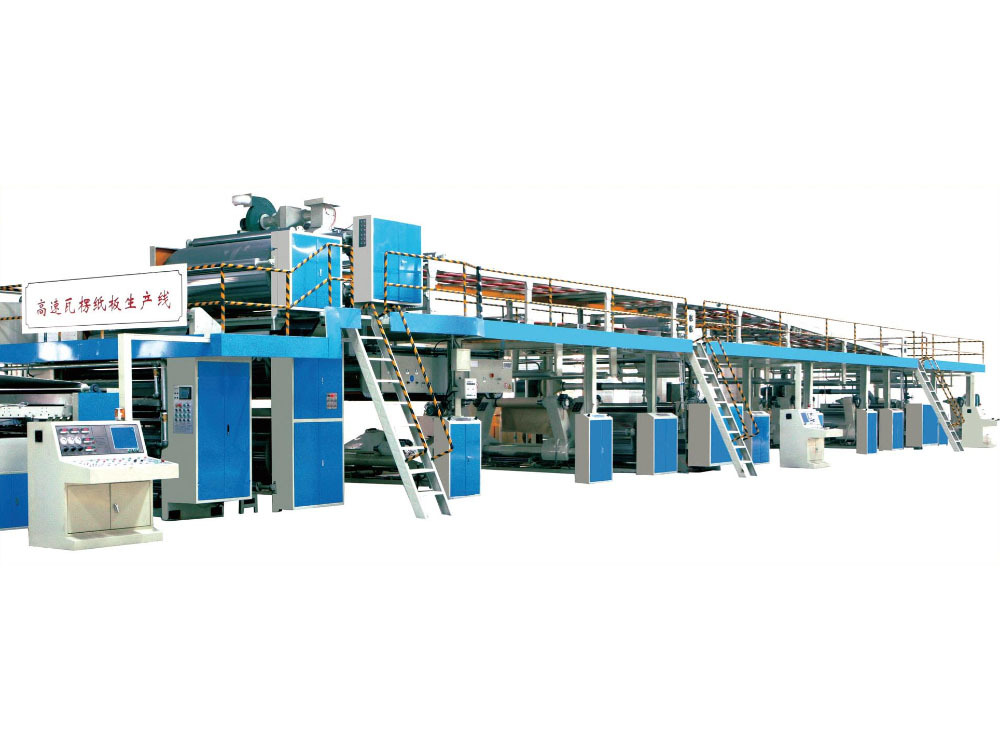
Understanding the Technology Behind Corrugated Box Printing Machines
To operate corrugated box printing machines effectively, it’s essential first to understand the technology behind them. These machines use various printing techniques, including flexographic, lithographic, and digital printing, each offering unique advantages based on production needs.
- Flexographic Printing: This method uses flexible relief plates and is ideal for high-volume runs. It offers excellent speed and efficiency, making it a preferred choice for corrugated box printing.
- Lithographic Printing: Known for its high-quality output, lithography is used for smaller runs where print precision is paramount.
- Digital Printing: This emerging technology allows for short runs with customizable designs, making it popular for specialized orders.
Each technique has its operational intricacies, and understanding these will empower operators to make informed decisions regarding machine settings and maintenance.
Setup and Installation: Key Considerations
The initial setup and installation of corrugated box printing machines are critical to achieving optimal performance. Proper setup ensures the machinery operates smoothly, reducing the risk of malfunctions or production delays.
1. Space and Environment: Choose an appropriate location that offers enough space for the machine and operators. Ensure the environment is clean and temperature-controlled to prevent material degradation.
2. Electrical and Mechanical Configuration: Follow the manufacturer's guidelines for electrical connections and mechanical configurations. A professional installation can prevent future operational issues.
3. Material Compatibility: Before commencing operations, confirm that the materials used (inks, substrates) are compatible with the specific printing technique of your machine.
Operator Training: Ensuring Competence and Safety
Investing in comprehensive training for operators is non-negotiable for the successful operation of corrugated box printing machines. Well-trained operators can ensure machine longevity and high-quality output.
- Understanding Machine Functions: Operators should familiarize themselves with the machine's control panel, including emergency shut-off switches, speed controls, and print settings.
- Safety Procedures: Training must include safety protocols, such as wearing protective gear and understanding emergency procedures.
- Regular Workshops: Conducting ongoing workshops to address new technologies and best practices can foster a culture of continuous improvement and adherence to safety standards.
Maintenance Best Practices: Extending Machine Lifespan
Regular maintenance is instrumental in extending the lifespan of corrugated box printing machines. Implementing a structured maintenance schedule can minimize downtime and ensure consistent production quality.
1. Daily Inspections: Operators should conduct daily inspections for wear and tear on parts, fluid levels, and overall cleanliness. Addressing minor issues promptly can prevent more significant problems.
2. Lubrication: Regular lubrication of moving parts reduces friction and wear, ensuring smoother operations. Always use the recommended lubricants.
3. Calibration: Periodic calibration of the machine is crucial for maintaining print quality. Adjustments should be made based on the specific requirements of each job.
4. Cleaning Protocols: Regular cleaning of the printing plates, rollers, and ink supply systems helps avoid clogs and ensures high-quality prints.
Quality Control Measures: Achieving Optimal Print Quality
Quality control is vital in the printing process to ensure that every corrugated box meets company standards and customer expectations. Implementing robust quality control measures can significantly enhance the reliability of your printing operations.
- Pre-Print Testing: Conduct tests using sample materials to identify potential issues before full production begins. This includes checking ink adhesion, color saturation, and print clarity.
- In-Process Monitoring: Utilize real-time monitoring systems to track print quality during production runs. This allows for immediate adjustments if any issues are detected.
- Post-Print Inspection: Establish protocols for inspecting finished products to ensure they meet quality standards. This may include checking for color consistency, registration accuracy, and material defects.
Troubleshooting Common Issues: Solutions at Your Fingertips
Even with the best practices in place, issues can arise during the operation of corrugated box printing machines. Familiarity with common problems and their solutions is essential for operators.
- Ink Smudging: This can occur due to ink viscosity or improper drying times. Adjust ink properties and ensure adequate drying mechanisms are in place.
- Print Misalignment: Misalignment can be caused by mechanical issues or incorrect setup. Regular calibration and checking for wear on components will help mitigate this.
- Clogs in the Ink System: Regular cleaning and maintenance of the ink system can prevent clogs. Operators should be trained to recognize early signs of ink flow issues.
Future Trends in Corrugated Box Printing Technology
Staying informed about trends in the industry can help businesses remain competitive. The future of corrugated box printing is likely to be influenced by advancements in technology, sustainability, and consumer demands.
- Sustainability: There's a growing trend toward using eco-friendly materials and inks. Companies that prioritize sustainability are likely to attract environmentally conscious consumers.
- Automation: Increased automation can streamline operations and reduce human error. Incorporating AI-driven systems for quality control and maintenance alerts is becoming more common.
- Customization: As demand for personalized packaging increases, digital printing technologies will gain more traction, allowing for easy customization at lower costs.
Conclusion: Elevating Your Printing Operations
Operating corrugated box printing machines involves a combination of technical knowledge, training, and adherence to best practices. By focusing on setup, maintenance, quality control, and operator training, businesses can significantly enhance their printing operations. Staying abreast of industry trends and technological advancements will also position companies for future success. Implementing these best practices will not only streamline production but also ensure high-quality outputs that meet customer expectations.
FAQs About Operating Corrugated Box Printing Machines
1. What are the most common types of corrugated box printing machines?
The most common types include flexographic, lithographic, and digital printing machines, each serving different production needs and print quality requirements.
2. How often should I perform maintenance on my printing machine?
Daily inspections and regular maintenance (weekly, monthly, etc.) are recommended depending on the machine's usage and manufacturer guidelines.
3. What are the primary safety measures for operating these machines?
Operators should wear protective gear, understand emergency shut-off procedures, and be trained in safe operation protocols.
4. How can I improve print quality?
Implementing strict quality control measures, conducting pre-print tests, and maintaining equipment can significantly enhance print quality.
5. What should I do if I encounter ink smudging or misalignment?
Adjust ink viscosity or drying methods to address smudging and regularly calibrate the machine to fix misalignment issues.
By implementing these practices, businesses can operate their corrugated box printing machines more effectively, enhancing both productivity and print quality in today's competitive market.
TAG:
Related Posts

Unlocking Efficiency in Packaging: The Role of Folder Gluers


We Provide Quality Carton Machinery for Global Customers


South Road West, Intersection of Guanzhou Road and Wuqian Road, Dongguang County, Cangzhou City, Hebei Province, China