We Provide Quality Carton Machinery for Global Customers

Understanding Corrugated Board Production Lines: A Comprehensive Guide
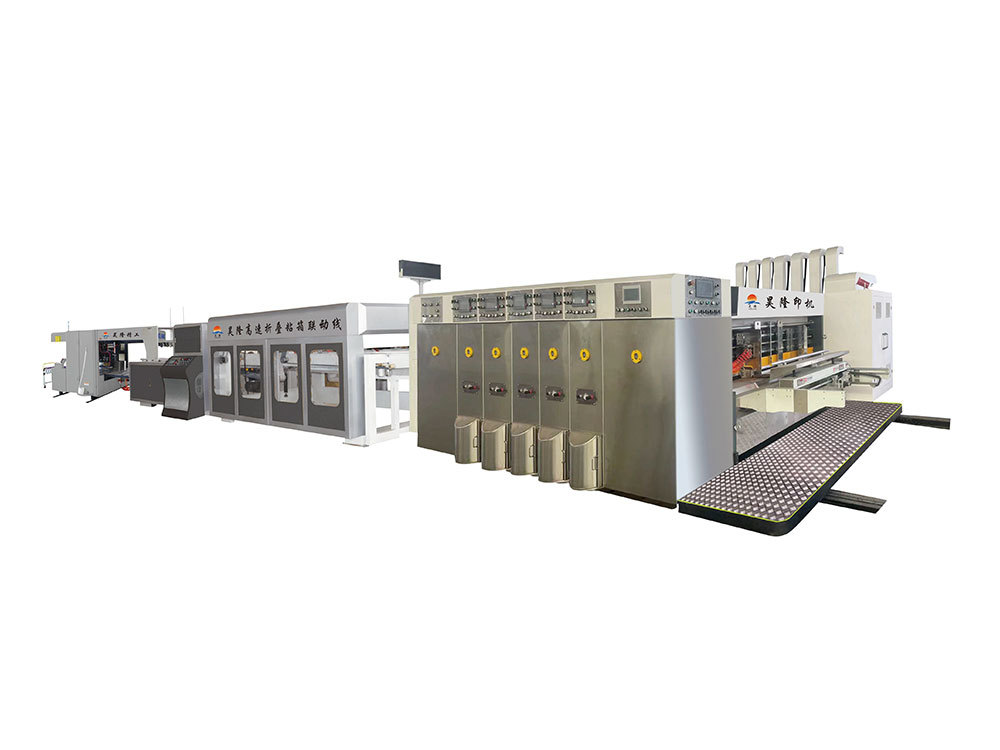
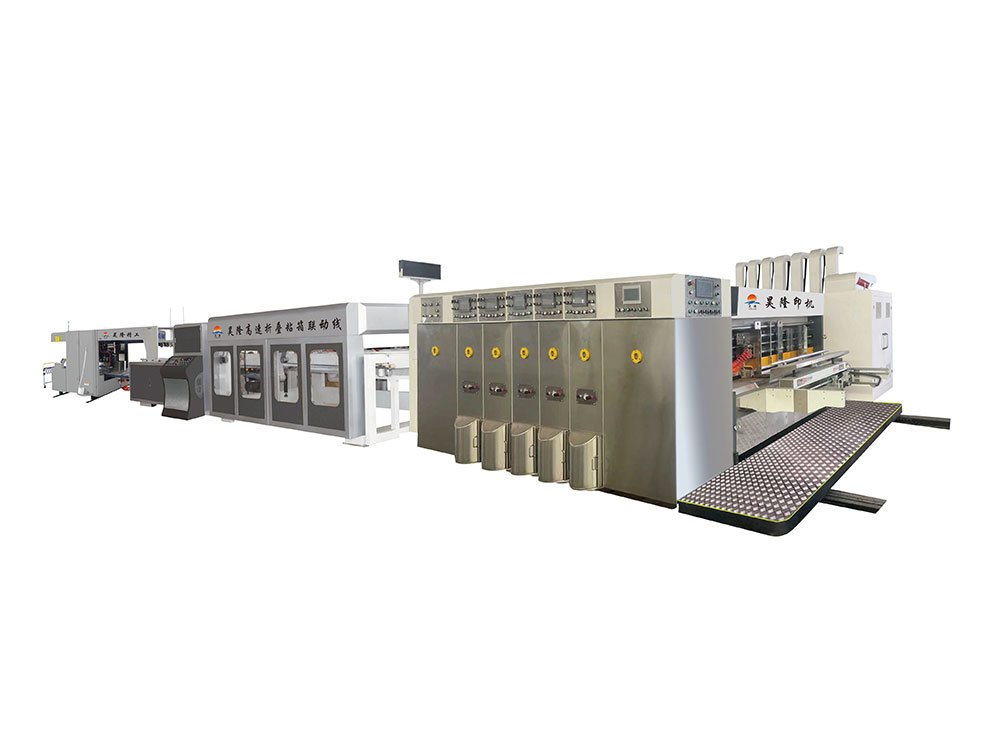
Corrugated board production lines play a vital role in the packaging industry, providing a robust and versatile solution for a wide range of products. These production lines are designed to manufacture corrugated cardboard, which consists of a fluted layer sandwiched between two flat liners. The resulting material is not only lightweight but also remarkably strong, making it an ideal choice for packaging goods during storage and transportation.
The process of producing corrugated board typically involves several key stages. First, raw materials such as recycled paper or virgin pulp are sourced and processed. The quality of the paper is crucial, as it directly impacts the durability and strength of the finished corrugated board. Once the raw materials are prepared, they are fed into the production line, where they undergo a series of steps including pulping, pressing, and drying.
One of the essential components of a corrugated board production line is the flute forming machine. This machine creates the fluted layer of the board, which contributes to its structural integrity. Different flute profiles can be produced, each offering unique characteristics suitable for various packaging needs. For instance, thicker flutes provide greater cushioning for fragile items, while thinner flutes are ideal for lightweight products.
After the fluting process, the board is glued with the liners to create a finished product. The application of adhesive is critical, as it ensures the layers bond effectively and contributes to the overall strength of the board. Following this, the corrugated board is cut to size and can be printed with branding or product information, making it not only functional but also aesthetically appealing.
The advantages of using corrugated board are numerous. From a manufacturer's perspective, it offers a cost-effective packaging solution that is easy to produce and customize. For consumers, corrugated board packaging is recyclable, making it an environmentally friendly choice. Additionally, the protective qualities of corrugated board help to reduce product damage during transit, ultimately resulting in customer satisfaction.
In conclusion, a corrugated board production line is an essential element in modern packaging solutions, combining efficiency with sustainability. Understanding the processes and benefits associated with corrugated board production can help businesses make informed decisions regarding their packaging needs. Whether you are a manufacturer or a consumer, recognizing the significance of this production line can lead to better packaging solutions that meet the demands of today's market.
TAG:
Related Posts

Unlocking Efficiency in Packaging: The Role of Folder Gluers
In the realm of manufacturing and processing machinery, particularly within the packaging machinery sector, folder gluers play a pivotal role. These machines are designed specifically for the efficient assembly of folding cartons, which are widely used in various industries, from food and beverage to pharmaceuticals. Understanding the functionality and benefits of folder gluers can significantly i


We Provide Quality Carton Machinery for Global Customers


South Road West, Intersection of Guanzhou Road and Wuqian Road, Dongguang County, Cangzhou City, Hebei Province, China