We Provide Quality Carton Machinery for Global Customers

Revolutionizing Packaging: An Insight into Corrugated Cardboard Production Lines
The corrugated cardboard production line plays a pivotal role in the manufacturing and packaging machinery industry, specifically in the realm of paper packaging. Understanding its components, functionalities, and benefits can significantly enhance operational efficiency and sustainability in packaging processes.
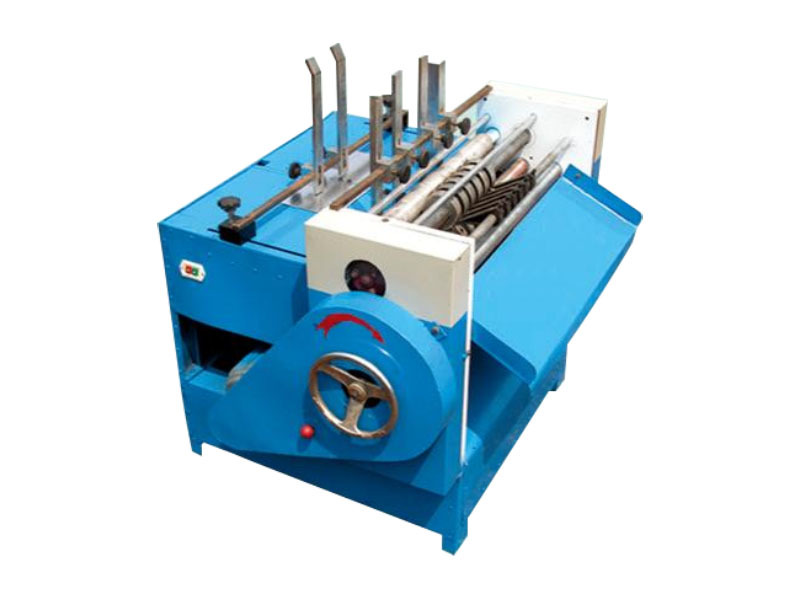
At its core, a corrugated cardboard production line consists of several key stages: material preparation, corrugating, laminating, cutting, and packaging. The process begins with the selection of raw materials, typically recycled paper or kraft paper, which are essential for producing high-quality corrugated boards. The quality of the raw materials directly impacts the durability and performance of the final product.
The corrugating process is crucial, as it involves the formation of fluted paper, which provides the structural strength and cushioning properties of corrugated cardboard. This stage employs a corrugating machine, which uses heat and pressure to create the characteristic wave-like structure. The fluted paper is then sandwiched between two flat liners, forming what is known as a corrugated board.
Following corrugation, the laminating process ensures that the layers are securely bonded together. This step is vital to maintain the integrity and strength of the cardboard, making it suitable for various packaging applications. Advanced technologies, such as digital printing and high-speed laminating machines, have revolutionized this process, allowing for customization and efficient production.
The cutting stage involves precise measurements and configurations to produce sheets or boxes, tailored to specific sizes and requirements. Automated cutting machinery enhances accuracy and reduces waste, making the production process both cost-effective and environmentally friendly. Finally, the packaging stage often involves bundling and preparing the finished products for shipment, ensuring that they reach their destination in optimal condition.
One of the most significant advantages of investing in a modern corrugated cardboard production line is the boost in efficiency. Advanced automation and integrated systems reduce manual labor, streamline workflows, and minimize production time. Additionally, these systems often feature real-time monitoring capabilities, allowing for immediate adjustments and quality control throughout the production process.
Sustainability is another critical factor driving the adoption of corrugated cardboard production lines. As industries increasingly prioritize environmentally friendly practices, corrugated cardboard stands out due to its recyclability and biodegradability. Manufacturers can leverage this aspect to meet regulatory requirements and consumer expectations, thereby enhancing their brand reputation.
In conclusion, a corrugated cardboard production line is essential for manufacturers in the packaging machinery sector. By understanding its components and benefits, businesses can improve efficiency, ensure product quality, and support sustainability efforts. This knowledge not only aids in selecting the right machinery but also positions companies to thrive in an increasingly competitive market.
TAG:
Related Posts

Unlocking Efficiency in Packaging: The Role of Folder Gluers
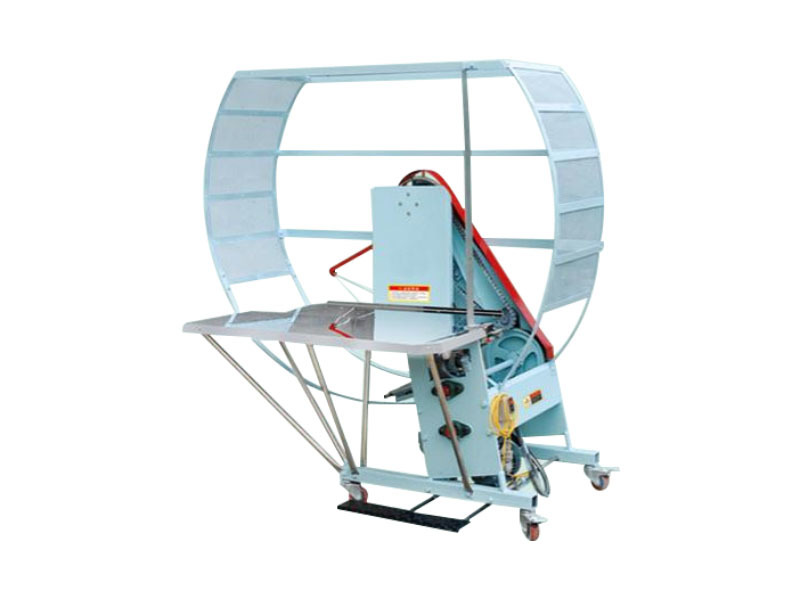
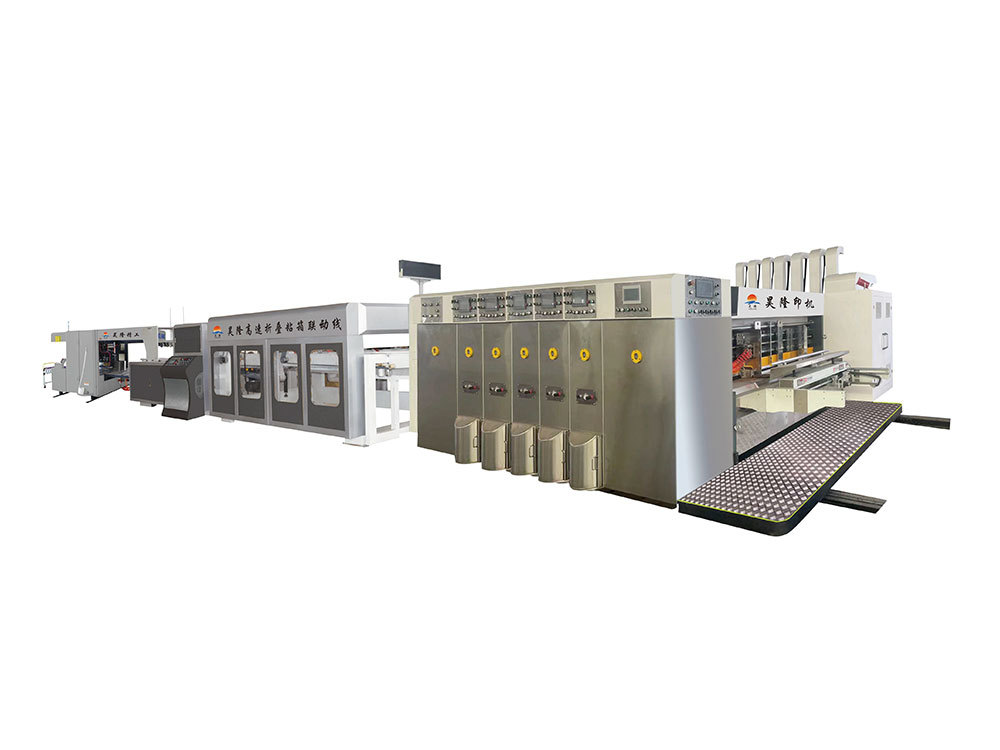


We Provide Quality Carton Machinery for Global Customers


South Road West, Intersection of Guanzhou Road and Wuqian Road, Dongguang County, Cangzhou City, Hebei Province, China