We Provide Quality Carton Machinery for Global Customers

The Best Practices for Setting Up a Die Cutting Machine in Your Workshop: A Comprehensive Guide
The Best Practices for Setting Up a Die Cutting Machine in Your Workshop
Setting up a die cutting machine in your workshop is a crucial step in ensuring that your production processes run seamlessly and efficiently. Die cutting machines are essential tools in various manufacturing sectors, enabling users to create precise shapes and designs from materials such as paper, cardboard, and plastics. In this guide, we will explore the best practices for configuring your die cutting machine for optimal performance.
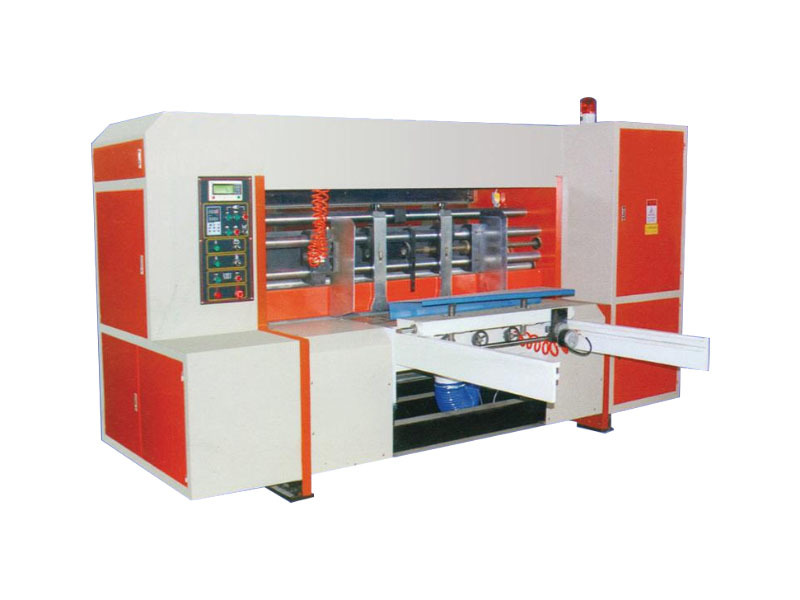
Table of Contents
1. Understanding the Die Cutting Process
2. Choosing the Right Die Cutting Machine
3. Preparing Your Workshop Space
3.1. Assessing Space Requirements
3.2. Ensuring Proper Ventilation
3.3. Organizing Tools and Materials
4. Installing Your Die Cutting Machine
4.1. Leveling the Machine
4.2. Connecting Power and Safety Features
5. Calibration and Testing of the Machine
6. Maintenance and Troubleshooting Tips
7. Enhancing Workflow Efficiency
8. FAQs Regarding Die Cutting Machine Setup
9. Conclusion
1. Understanding the Die Cutting Process
The die cutting process involves using a die—essentially a specialized tool—to cut, shape, or emboss materials into desired patterns. This method is widely used in industries such as packaging, textiles, and crafts. Understanding the mechanics of die cutting is the first step in ensuring your setup is optimized for performance.
2. Choosing the Right Die Cutting Machine
Selecting the appropriate die cutting machine is pivotal. Various types exist—manual, digital, and hydraulic machines—each suited for different applications. Assess your production needs, material types, and budget to make an informed decision.
- Manual Die Cutting Machines: Ideal for small-scale operations, these machines are user-friendly and cost-effective.
- Digital Die Cutting Machines: Best for intricate designs and higher precision, these machines require software for design but have higher upfront costs.
- Hydraulic Die Cutting Machines: Designed for high-volume production, they offer speed and efficiency but demand a larger investment.
3. Preparing Your Workshop Space
A well-prepared workshop is vital for the effective operation of your die cutting machine. Consider the following aspects:
3.1. Assessing Space Requirements
Ensure you have adequate space not only for the machine itself but also for operators and auxiliary equipment. A clutter-free environment minimizes accidents and enhances productivity.
3.2. Ensuring Proper Ventilation
Ventilation is crucial, especially if you are working with materials that emit fumes or dust. Ensure that your workshop is equipped with appropriate ventilation systems to maintain air quality.
3.3. Organizing Tools and Materials
Establish a designated area for tools and materials to streamline the workflow. Keeping everything organized can significantly reduce setup time and improve overall efficiency.
4. Installing Your Die Cutting Machine
Once your workshop is prepared, it’s time to install the die cutting machine. Follow these steps to ensure proper installation:
4.1. Leveling the Machine
It is essential to level your die cutting machine to ensure even cutting. Use a spirit level to make adjustments as necessary, ensuring that all feet of the machine are firmly on the ground.
4.2. Connecting Power and Safety Features
Follow manufacturer guidelines for electrical connections and safety features. Ensure that all emergency shutoffs and safety guards are in place, as these are crucial to prevent accidents.
5. Calibration and Testing of the Machine
Once your machine is installed, calibration is necessary to ensure it operates effectively. This involves adjusting the cutting pressure, speed, and depth according to the materials you will be using.
Conduct test cuts with varying settings to determine the optimal configuration. Document these settings for future reference, allowing you to replicate successful cuts with ease.
6. Maintenance and Troubleshooting Tips
Regular maintenance is vital to prolong the life of your die cutting machine. Here are some best practices:
- Routine Cleaning: Keep the machine clean and free of debris. Dust and material buildup can affect performance.
- Checking Blade Condition: Inspect blades regularly for wear and tear. Replacing dull blades will enhance cutting accuracy.
- Lubrication: Follow the manufacturer's recommendations for lubrication to keep moving parts functioning smoothly.
In case of issues, consult the user manual for troubleshooting tips or reach out to the manufacturer for additional support.
7. Enhancing Workflow Efficiency
Efficiency is key in any production environment. Here are strategies to enhance workflow when using a die cutting machine:
- **Batch Processing**: Organize your cuts into batches to minimize machine downtime.
- **Operator Training**: Ensure that all operators are well-trained in using the die cutting machine, familiarizing them with its features and capabilities.
- **Utilizing Automation**: If applicable, consider integrating automated feeding systems to increase production efficiency.
8. FAQs Regarding Die Cutting Machine Setup
What materials can I use with a die cutting machine?
You can use a variety of materials, including paper, cardstock, fabric, and certain plastics. Always check compatibility with your specific machine.
How do I maintain the die cutting machine?
Routine cleaning, regular blade inspections, and lubrication of moving parts are essential for maintenance.
Can I use digital designs for die cutting?
Yes, many modern die cutting machines allow for digital designs. Ensure you have the necessary software to create and upload these designs.
What safety precautions should I take when using a die cutting machine?
Always wear appropriate personal protective equipment (PPE), such as gloves and safety glasses, and ensure that safety guards are in place.
How can I troubleshoot poor cutting performance?
Check blade condition, ensure proper calibration, and inspect materials for any inconsistencies, as these can affect cutting quality.
9. Conclusion
Setting up a die cutting machine in your workshop involves careful consideration and planning. From selecting the right machine to maintaining workflow efficiency, these best practices will help you achieve optimal results. By following these guidelines, you can ensure that your die cutting operations are not only efficient but also yield high-quality results. Remember, a well-set-up die cutting machine is the backbone of a successful production process, allowing you to meet your manufacturing goals with precision and ease.
TAG:
Related Posts

Unlocking Efficiency in Packaging: The Role of Folder Gluers


We Provide Quality Carton Machinery for Global Customers


South Road West, Intersection of Guanzhou Road and Wuqian Road, Dongguang County, Cangzhou City, Hebei Province, China