We Provide Quality Carton Machinery for Global Customers
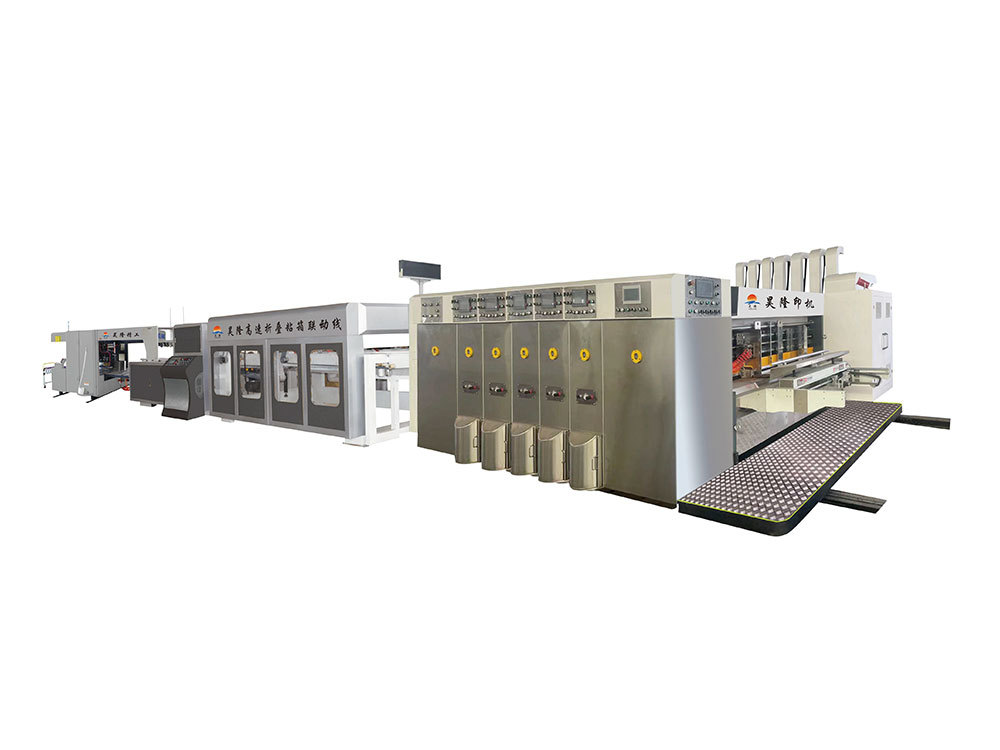
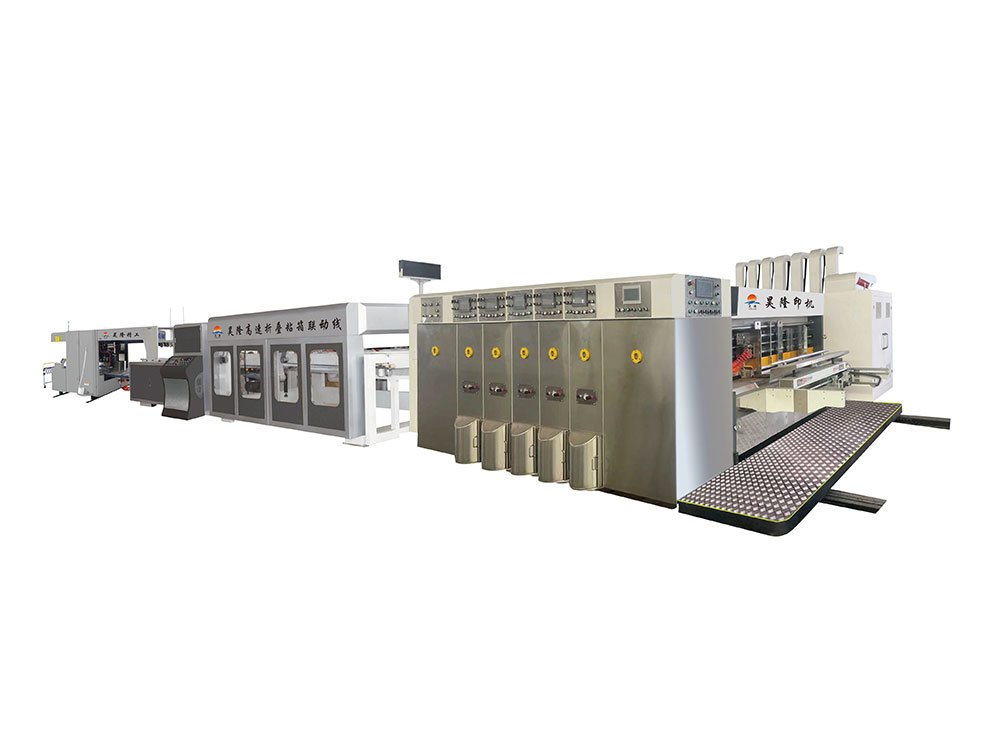
How Flexographic Printing Press Revolutionizes Packaging Solutions
Flexographic printing, often referred to as flexo printing, has emerged as a dominant technology in the packaging industry, offering a versatile and efficient solution for various printing needs. This innovative process utilizes flexible relief plates to transfer ink onto a variety of substrates, making it ideal for high-speed production of labels, packaging, and other printed materials. In this article, we delve into how flexographic printing presses are revolutionizing packaging solutions, enhancing production efficiency, reducing costs, and promoting sustainability.
The origins of flexographic printing date back to the early 20th century. Initially, it was used for printing newspapers with water-based inks on newsprint. However, significant advancements in technology over the decades have transformed flexo into a sophisticated and high-quality printing method. The introduction of photopolymer plates in the 1970s marked a turning point, allowing for greater precision and detail in printed images. Today, flexographic printing is widely used across various industries, including food and beverage, consumer goods, and pharmaceuticals.
Flexographic printing technology operates on a simple yet effective principle: the use of flexible relief plates, usually made from rubber or photopolymer. These plates are mounted on rotating cylinders, and as the substrate passes through the press, the plates make contact with the surface, transferring ink in a precise manner. Here are some key components that define flexographic printing technology:
Flexographic presses utilize a variety of inks, including water-based, solvent-based, and UV-curable inks. The choice of ink depends on the substrate and the end-use of the printed material.
Flexographic printing presses come in various configurations, including inline and CI (central impression) presses. The choice of configuration can impact the speed, quality, and efficiency of the printing process.
Flexographic printing is often more cost-effective than traditional printing methods, especially for long runs. The reduced need for frequent plate changes and faster drying times contribute to lower production costs.
Advancements in plate technology and ink formulations have enhanced the quality of flexographic prints. Modern flexo presses deliver consistent color registration, sharp images, and vibrant colors.
Flexographic printing presses have indeed revolutionized the packaging industry, offering unmatched efficiency, versatility, and sustainability. As technology continues to evolve, we can expect further innovations that enhance the capabilities of flexographic printing, ensuring it remains at the forefront of packaging solutions. Embracing this printing method not only benefits manufacturers but also contributes to a more sustainable future for packaging.
TAG:
Related Posts

Unlocking Efficiency in Packaging: The Role of Folder Gluers


We Provide Quality Carton Machinery for Global Customers


South Road West, Intersection of Guanzhou Road and Wuqian Road, Dongguang County, Cangzhou City, Hebei Province, China