We Provide Quality Carton Machinery for Global Customers

Understanding the Corrugated Cardboard Production Line: An Insight into Efficiency and Sustainability
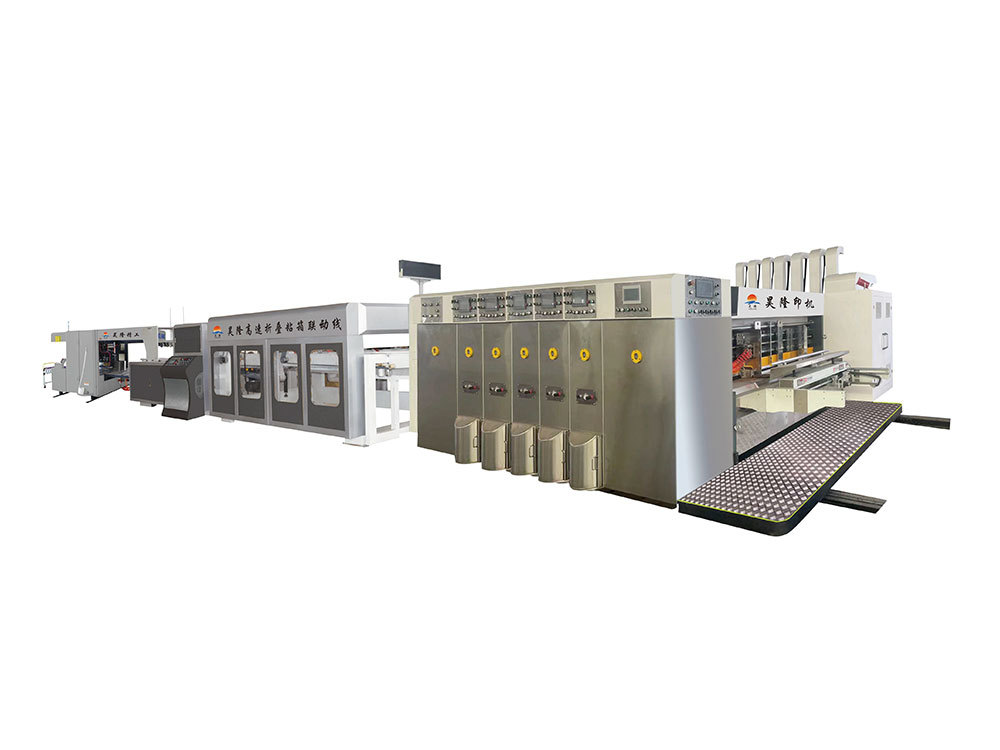
The corrugated cardboard production line is designed to efficiently produce a variety of cardboard products that serve numerous industries. This production line typically comprises several critical stages, including raw material preparation, corrugation, sheet cutting, and printing. Each stage utilizes specialized machinery geared to optimize production efficiency and reduce waste.
The first step in the production line is raw material preparation. High-quality paper rolls are sourced, usually from recycled materials, aligning with sustainability goals. These rolls are then fed into the corrugator, where the cardboard is formed. The corrugation process involves heating and pressing the paper to create fluted layers, which provide strength and durability. This fluted structure is fundamental to the performance of corrugated cardboard, making it suitable for shipping and packaging purposes.
Once the corrugated sheets are formed, they undergo cutting and trimming to achieve the desired dimensions. Advanced cutting machines ensure precision, which is crucial for creating boxes and packaging that fit various products. Automation in this stage significantly enhances productivity, allowing manufacturers to meet high demand levels without sacrificing quality.
Printing is another crucial aspect of the corrugated cardboard production line. Many manufacturers incorporate printing capabilities into their production processes, allowing for branding and product information to be directly applied to the packaging. This not only enhances the product's marketability but also reduces the need for additional labels or packaging, thus minimizing material use.
Investing in a modern corrugated cardboard production line can bring numerous benefits to manufacturers. Not only does it improve production efficiency, but it also contributes to cost savings over time. By utilizing energy-efficient machinery and minimizing waste through optimized processes, businesses can enhance their sustainability credentials. This is increasingly important as consumers become more environmentally conscious and demand sustainable packaging options.
Moreover, a well-designed production line can be tailored to meet specific operational needs, allowing manufacturers to produce various styles and sizes of cardboard products. This flexibility is essential in a rapidly changing market where customization and quick turnaround times are paramount.
In conclusion, understanding the intricacies of the corrugated cardboard production line is essential for manufacturers aiming to thrive in the competitive packaging market. By leveraging technology and sustainable practices, businesses can enhance their output while contributing positively to environmental conservation efforts. Investing in a state-of-the-art production line is not just a step towards increased efficiency; it's a commitment to sustainability and innovation in the packaging industry.
TAG:
Related Posts

Unlocking Efficiency in Packaging: The Role of Folder Gluers
In the realm of manufacturing and processing machinery, particularly within the packaging machinery sector, folder gluers play a pivotal role. These machines are designed specifically for the efficient assembly of folding cartons, which are widely used in various industries, from food and beverage to pharmaceuticals. Understanding the functionality and benefits of folder gluers can significantly i
We Provide Quality Carton Machinery for Global Customers


South Road West, Intersection of Guanzhou Road and Wuqian Road, Dongguang County, Cangzhou City, Hebei Province, China