We Provide Quality Carton Machinery for Global Customers

Unlock Efficiency: How Automatic Printing Slotting Die Cutting Machines Enhance Workflow
Unlock Efficiency: How Automatic Printing Slotting Die Cutting Machines Enhance Workflow
Table of Contents
1. Introduction to Automatic Printing Slotting Die Cutting Machines
2. Key Features of Automatic Die Cutting Machines
2.1 Precision Engineering for Superior Results
2.2 Enhanced Speed and Automation
2.3 Versatility in Material Handling
3. How These Machines Improve Workflow Efficiency
3.1 Streamlining Production Processes
3.2 Reducing Waste and Enhancing Sustainability
3.3 Minimizing Labor Costs and Errors
4. Comparing Automatic vs. Traditional Die Cutting Methods
4.1 Cost Analysis: Long-Term vs. Short-Term Investment
4.2 Performance Metrics: Speed, Accuracy, and Output
5. Selecting the Right Automatic Die Cutting Machine for Your Needs
5.1 Assessing Your Production Requirements
5.2 Key Considerations for Machine Selection
6. Maintenance Tips for Peak Performance
6.1 Routine Maintenance Best Practices
6.2 Troubleshooting Common Issues
7. Case Studies: Success Stories of Enhanced Workflow
7.1 Industry Examples of Efficiency Gains
7.2 Lessons Learned from Implementation
8. Future Trends in Die Cutting Technology
8.1 Innovations on the Horizon
8.2 Adapting to Industry Changes
9. Frequently Asked Questions (FAQs)
10. Conclusion
1. Introduction to Automatic Printing Slotting Die Cutting Machines
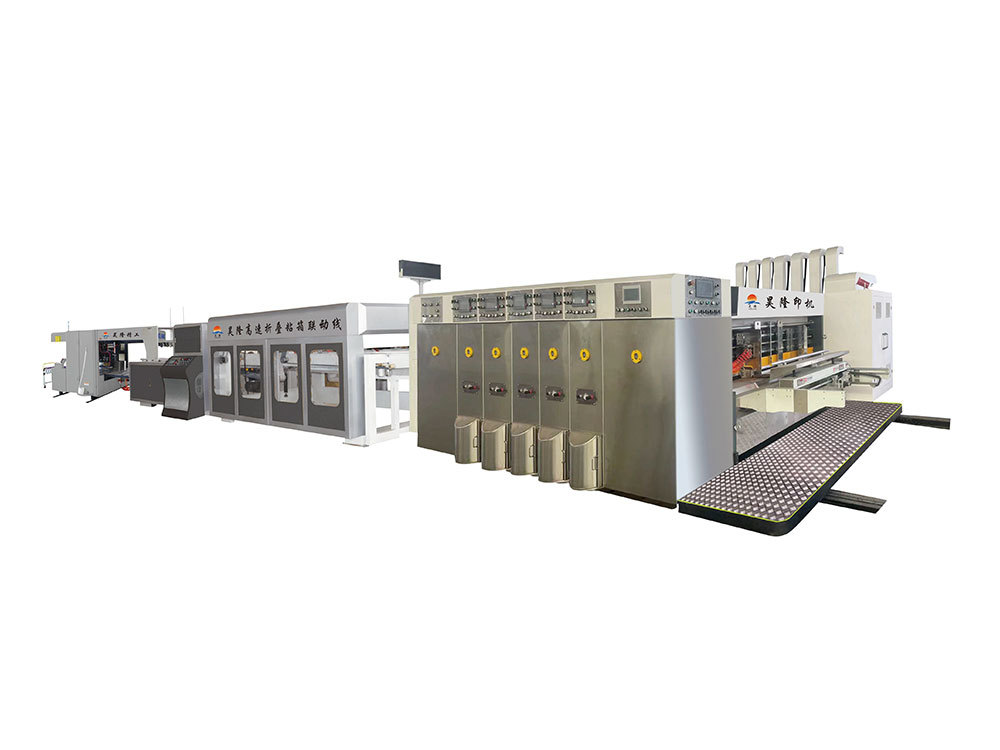
In the fast-paced world of manufacturing, efficiency is paramount. The advent of **automatic printing slotting die cutting machines** has transformed traditional methods, paving the way for enhanced productivity and streamlined operations. These machines combine precision cutting with printing capabilities, allowing manufacturers to produce intricate designs while maintaining high output rates. As industries evolve, understanding the role of these machines becomes crucial for maintaining a competitive edge.
2. Key Features of Automatic Die Cutting Machines
2.1 Precision Engineering for Superior Results
One of the standout features of automatic die cutting machines is their **precision engineering**. These machines utilize advanced technology, such as **laser cutting and digital tooling**, to achieve intricate cuts with remarkable accuracy. This not only reduces material waste but also ensures that the final products meet stringent quality standards. Manufacturers can depend on these machines to deliver consistent results, minimizing the need for rework and corrections.
2.2 Enhanced Speed and Automation
The automation capabilities of these machines significantly boost operational speed. With **automated feeding and handling systems**, production lines experience less downtime, leading to a **higher throughput**. Automatic die cutting machines can perform tasks that previously required multiple manual interventions, thereby accelerating the overall production process. This increased speed directly translates into improved **workplace efficiency**.
2.3 Versatility in Material Handling
Automatic printing slotting die cutting machines are versatile and can handle various materials, including paper, cardboard, plastic, and even metal. This adaptability makes them suitable for a wide range of applications, from packaging design to signage production. Companies can effortlessly switch between different materials and designs, allowing for rapid response to changing market demands.
3. How These Machines Improve Workflow Efficiency
3.1 Streamlining Production Processes
By integrating automatic die cutting machines into production lines, companies can **streamline their workflow**. These machines reduce the number of steps involved in manufacturing, allowing for a more linear process. This streamlining not only enhances speed but also improves coordination among different tasks, leading to smoother operations overall.
3.2 Reducing Waste and Enhancing Sustainability
Sustainability is a significant concern in today’s manufacturing landscape. Automatic printing slotting die cutting machines contribute to this goal by minimizing material waste. Their precision cutting capabilities ensure that materials are used effectively, reducing scrap and excess. Companies can achieve their sustainability goals more readily by implementing these technologies, enhancing their **corporate social responsibility** profiles.
3.3 Minimizing Labor Costs and Errors
Automation reduces the reliance on manual labor, which can lead to both cost savings and reduced errors. Human operators are prone to fatigue and mistakes, whereas automatic machines consistently execute tasks with high precision. By minimizing labor costs and the potential for errors, companies can allocate resources to more strategic initiatives, further enhancing their operational efficiency.
4. Comparing Automatic vs. Traditional Die Cutting Methods
4.1 Cost Analysis: Long-Term vs. Short-Term Investment
When evaluating die cutting methods, it’s essential to consider the **cost implications**. While automatic machines may require a higher initial investment, the long-term savings associated with reduced labor costs, material waste, and increased production capacity can outweigh these costs significantly. Traditional methods often result in higher operational costs over time due to inefficiencies.
4.2 Performance Metrics: Speed, Accuracy, and Output
Performance metrics are crucial when comparing automatic and traditional die cutting methods. Automatic machines excel in speed and accuracy, allowing for faster turnaround times and more precise cuts. This efficiency not only boosts productivity but also enhances customer satisfaction, as high-quality products are delivered on time.
5. Selecting the Right Automatic Die Cutting Machine for Your Needs
5.1 Assessing Your Production Requirements
Choosing the right automatic die cutting machine involves a thorough assessment of your production needs. Consider factors such as **production volume**, material types, and specific design requirements. Understanding these elements will help you select a machine that aligns with your operational goals.
5.2 Key Considerations for Machine Selection
Several key considerations should guide your selection process, including:
- **Technology**: Evaluate the technology used in the machine, ensuring it meets your operational requirements.
- **Flexibility**: Look for machines that can adapt to various materials and designs.
- **Support and Maintenance**: Ensure the manufacturer offers robust support and maintenance options to keep your equipment running smoothly.
6. Maintenance Tips for Peak Performance
6.1 Routine Maintenance Best Practices
Routine maintenance is crucial for ensuring the longevity and performance of automatic die cutting machines. Regularly check components such as blades, sensors, and feed mechanisms to identify any signs of wear or malfunction. Implementing a scheduled maintenance plan can prevent costly downtime and repairs.
6.2 Troubleshooting Common Issues
Even with meticulous care, issues may arise. Common problems could include misalignment, feeding errors, or blade dullness. Having a troubleshooting guide can help operators quickly identify and resolve issues, minimizing production interruptions.
7. Case Studies: Success Stories of Enhanced Workflow
7.1 Industry Examples of Efficiency Gains
Numerous industries have successfully implemented automatic printing slotting die cutting machines, resulting in significant efficiency gains. For instance, a packaging company saw a **30% increase** in output after integrating these machines into their workflow, allowing them to meet growing customer demands while reducing lead times.
7.2 Lessons Learned from Implementation
Successful implementation of automatic die cutting technology often involves careful planning and staff training. Companies that prioritize training and maintenance significantly reduce the likelihood of operational disruptions, ensuring a smoother transition to new technologies.
8. Future Trends in Die Cutting Technology
8.1 Innovations on the Horizon
The die cutting industry is poised for further innovations, including the integration of **AI and machine learning** for predictive maintenance, enhanced automation features, and improved user interfaces. These advancements will continue to drive efficiency and productivity in manufacturing environments.
8.2 Adapting to Industry Changes
As consumer demands and industry standards evolve, manufacturers must remain adaptable. Automatic printing slotting die cutting machines will play a crucial role in facilitating this adaptability, allowing companies to pivot quickly to meet new challenges and opportunities.
9. Frequently Asked Questions (FAQs)
1. What materials can automatic printing slotting die cutting machines handle?
Automatic machines can handle various materials, including paper, cardboard, plastics, and metals.
2. How do these machines enhance accuracy in production?
Automatic die cutting machines utilize advanced technology for precise cuts, minimizing errors associated with manual methods.
3. Are automatic die cutting machines suitable for small businesses?
Yes, small businesses can benefit from automatic machines by increasing efficiency, reducing waste, and improving product quality.
4. What is the average lifespan of an automatic die cutting machine?
With proper maintenance, these machines can last several years, often exceeding 10 years of effective use.
5. How can I maximize the efficiency of my die cutting machine?
Regular maintenance, operator training, and optimizing production workflows can significantly enhance machine efficiency.
10. Conclusion
The integration of **automatic printing slotting die cutting machines** into manufacturing processes represents a significant leap toward enhanced workflow efficiency. By streamlining operations, reducing waste, and increasing accuracy, these machines empower businesses to meet modern demands. As technology evolves, embracing these innovations will be crucial for companies looking to maintain a competitive edge in the ever-changing manufacturing landscape. Investing in automatic die cutting technology is not merely an upgrade; it’s a strategic move toward a more efficient, productive future.
TAG:
Related Posts

Unlocking Efficiency in Packaging: The Role of Folder Gluers
In the realm of manufacturing and processing machinery, particularly within the packaging machinery sector, folder gluers play a pivotal role. These machines are designed specifically for the efficient assembly of folding cartons, which are widely used in various industries, from food and beverage to pharmaceuticals. Understanding the functionality and benefits of folder gluers can significantly i


We Provide Quality Carton Machinery for Global Customers


South Road West, Intersection of Guanzhou Road and Wuqian Road, Dongguang County, Cangzhou City, Hebei Province, China