We Provide Quality Carton Machinery for Global Customers

The Essential Guide to Understanding Corrugated Cardboard Production Lines
Corrugated cardboard production lines are pivotal in the manufacturing and packaging industries, providing an efficient means to produce durable and eco-friendly packaging solutions. These production lines utilize a systematic approach to convert raw materials, primarily paper, into corrugated cardboard, which is widely used in the shipping and storage of goods. Understanding the components and processes involved in a corrugated cardboard production line is essential for businesses looking to optimize their packaging operations.
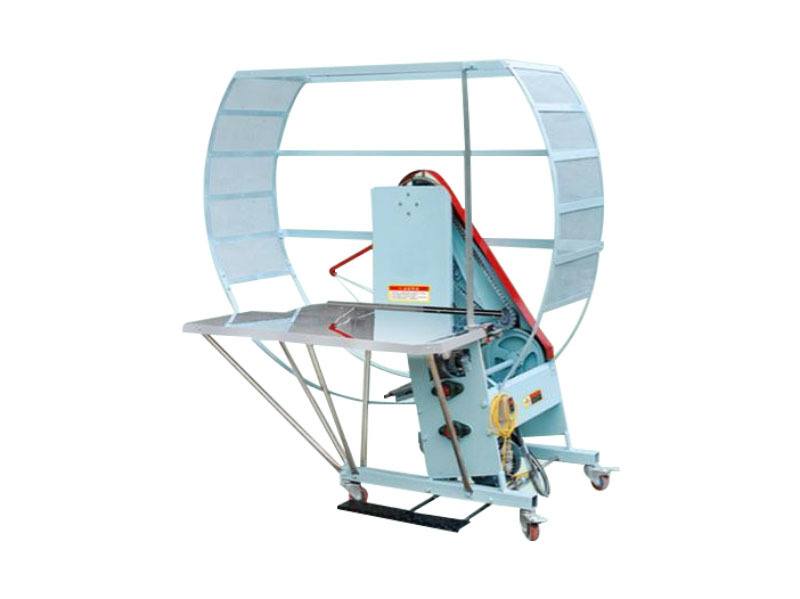
At the heart of the production line is the corrugator, which typically consists of several key machines, including a single-facer, a double-backer, and a cutter-slotter. The single-facer creates the wavy medium layer, known as fluting, by applying heat and pressure to the paper. This layer is then sandwiched between two linerboards, which are adhered to the fluted medium using adhesive. The double-backer further strengthens the structure, ensuring that the corrugated cardboard achieves the desired durability and performance for various applications.
Efficiency is a significant advantage of modern corrugated cardboard production lines. Automated systems and advanced technology allow for high-speed production, reducing labor costs and minimizing material wastage. Moreover, these production lines can be customized to produce different types of corrugated cardboard, ranging from single-wall to double-wall and triple-wall configurations, catering to specific customer needs.
Sustainability is another crucial aspect of corrugated cardboard production. The growing emphasis on environmentally friendly practices has led manufacturers to explore ways to source recycled materials and minimize their carbon footprint. Many production lines now incorporate recycling systems that enable the reuse of waste paper, thus contributing to a circular economy. This not only helps in reducing environmental impact but also appeals to consumers who prioritize sustainable packaging options.
In addition to efficiency and sustainability, the versatility of corrugated cardboard is noteworthy. It can be easily printed, coated, or treated to enhance its protective features, making it suitable for various industries, including food and beverage, electronics, and e-commerce. This adaptability has made corrugated cardboard a preferred choice for packaging solutions worldwide.
In conclusion, understanding the workings of a corrugated cardboard production line is vital for manufacturers aiming to enhance their packaging processes. By investing in advanced machinery and adopting sustainable practices, businesses can improve efficiency, reduce costs, and meet the growing demand for eco-friendly packaging solutions. As the industry continues to evolve, staying informed about the latest technologies and trends will be key to maintaining a competitive edge in the marketplace.
TAG:
Related Posts

Unlocking Efficiency in Packaging: The Role of Folder Gluers


We Provide Quality Carton Machinery for Global Customers


South Road West, Intersection of Guanzhou Road and Wuqian Road, Dongguang County, Cangzhou City, Hebei Province, China