We Provide Quality Carton Machinery for Global Customers

The Cost-Effectiveness of Using Automatic Corrugated Box Making Machines
Introduction to Automatic Corrugated Box Making Machines
In today's fast-paced manufacturing environment, efficiency and cost-effectiveness are paramount. Automatic corrugated box making machines represent a significant advancement in box production technology, streamlining processes and reducing labor costs. In this article, we will delve deep into the cost-effectiveness of these machines, examining their benefits, financial implications, and overall value to businesses looking to optimize their operations.
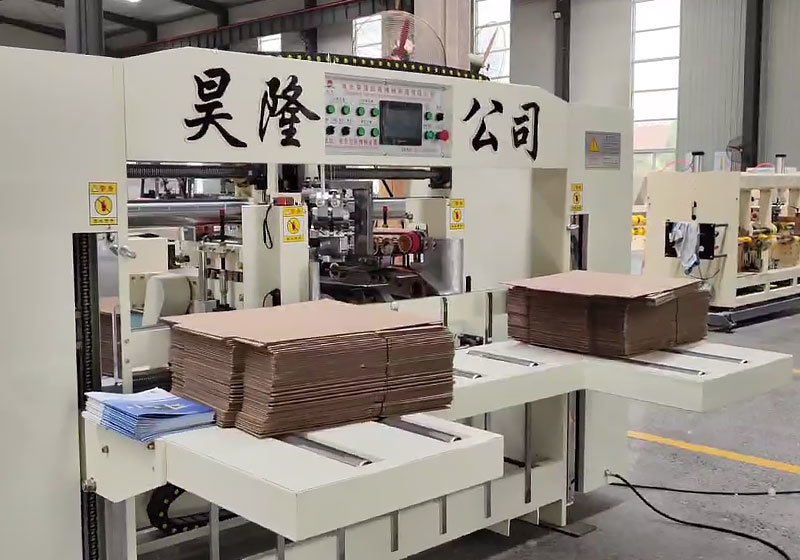
Understanding the Technology Behind Automatic Corrugated Box Making Machines
Automatic corrugated box making machines utilize advanced technologies, including robotics and computer control systems, making them faster and more precise than traditional methods. These machines can produce boxes of various sizes and styles, minimizing waste and maximizing output.
Key Features of Automatic Machines
1. High-speed Production: Capable of producing hundreds of boxes per hour.
2. Flexibility: Easily adjustable settings for different box specifications.
3. Reduced Labor Dependency: Automation reduces the need for extensive manual labor, thus cutting costs.
4. Consistency and Quality: Ensures uniformity in box dimensions and quality, enhancing product reliability.
Financial Benefits of Investing in Automatic Corrugated Box Making Machines
Investing in automatic machinery can lead to significant financial advantages. Here are some key components of the cost-effectiveness of these machines:
Lower Labor Costs
One of the primary expenses in manufacturing is labor. By automating the box-making process, companies can reduce their workforce significantly. This transition not only cuts salary costs but also minimizes costs related to worker benefits, training, and turnover.
Increased Production Efficiency
Automatic corrugated box making machines operate at a faster pace than manual production lines. This increase in output means that businesses can meet higher demand without the need for additional shifts or overtime pay, leading to a more balanced and sustainable production schedule.
Minimized Material Waste
With precise cutting and shaping capabilities, automatic machines greatly reduce material waste. This efficiency not only saves money on raw materials but also supports sustainable practices by minimizing the environmental impact of waste.
Enhanced Quality Control
Consistency in quality can drastically reduce costs associated with returns, defects, and customer dissatisfaction. Automatic machines provide reliable quality assurance, establishing a reputation for excellence that can attract new clients and retain existing ones.
Long-Term Return on Investment (ROI)
When evaluating the cost-effectiveness of automatic corrugated box making machines, it is essential to consider the long-term ROI. While the initial investment may be significant, the financial benefits accrued over time often outweigh the costs.
Calculating ROI for Automatic Machines
1. Initial Investment: Assess the cost of purchasing and installing the machine.
2. Operational Savings: Calculate the savings from reduced labor and material costs.
3. Increased Sales: Estimate the potential revenue from increased production capacity.
4. Maintenance Costs: Factor in the cost of regular maintenance and potential repairs.
Using these metrics, businesses can develop a clear understanding of the expected ROI, helping to justify the investment in automatic machinery.
Comparing Automatic vs. Manual Box Making Processes
To appreciate the cost-effectiveness of automatic machines fully, it’s important to compare them with traditional manual box-making processes.
Labor Intensity
Manual processes require extensive labor, leading to higher wage bills and increased management overhead. In contrast, automatic machines significantly reduce the need for human intervention, allowing businesses to allocate resources elsewhere.
Time Efficiency
The speed at which automatic machines operate far surpasses manual capabilities. This time efficiency translates into higher production volumes and quicker turnaround times for customers.
Scalability
Automatic systems provide greater scalability, enabling businesses to adjust production levels according to market demand seamlessly. Manual processes struggle to accommodate rapid changes in demand without incurring additional costs.
Case Studies: Real-World Examples of Cost Savings
Examining real-world implementations of automatic corrugated box making machines can provide valuable insights into their cost-effectiveness.
Example 1: Company A
Company A, a mid-sized manufacturer, invested in automatic machinery and reduced its labor costs by 40%. Within two years, they reported a 30% increase in production capacity and a 25% improvement in profit margins, showcasing the financial benefits and efficiency gains.
Example 2: Company B
Company B experienced a significant reduction in material waste after deploying automatic machines. This change led to annual savings of over $50,000 on raw materials, proving that automation can lead to sustainable practices alongside profitability.
Challenges and Solutions in Adopting Automatic Machinery
While the benefits of automatic corrugated box making machines are clear, businesses may encounter challenges during the transition.
Initial Investment Costs
The upfront cost of automatic machinery can be a barrier for some companies. However, financing options, leasing arrangements, and potential government grants can help alleviate this burden.
Training and Skill Development
Transitioning to automatic machines requires staff training. Investing in employee education ensures smooth operations and maximizes the technology’s potential.
Future Trends in Corrugated Box Manufacturing
The corrugated box manufacturing industry is evolving, with trends that promise further enhancements to cost-effectiveness.
Integration of Smart Technology
The future of automatic machinery lies in smart technology, including IoT connectivity and data analytics. These advancements will provide real-time insights into production efficiency, allowing companies to make data-driven decisions that enhance cost-effectiveness.
Environmental Sustainability
As businesses increasingly prioritize sustainability, automatic machines that utilize eco-friendly materials and processes will become more prevalent. This shift not only appeals to environmentally conscious consumers but also reduces costs associated with waste and compliance.
Frequently Asked Questions (FAQs)
1. What are the key benefits of using automatic corrugated box making machines?
The primary benefits include reduced labor costs, increased production efficiency, minimized material waste, and enhanced quality control.
2. How do automatic machines save companies money?
They save money through lower labor expenses, decreased material waste, and increased overall production capacity, leading to higher revenue.
3. Are there financing options for purchasing automatic box-making machines?
Yes, many manufacturers offer financing solutions, and there may also be grants or incentives available for investing in automation.
4. How long does it take to see a return on investment?
The ROI timeline varies by company, but many experience significant returns within two to three years post-investment.
5. What challenges might a company face when transitioning to automatic machinery?
Challenges can include initial investment costs, the need for employee training, and potential disruptions during the transition period.
Conclusion
The cost-effectiveness of using automatic corrugated box making machines is evident in their ability to streamline production, reduce labor and material costs, and enhance overall efficiency. By investing in these advanced technologies, businesses can position themselves for future growth while enjoying significant financial benefits. As the industry continues to evolve, the adoption of automatic machinery will play a crucial role in maintaining competitiveness and achieving sustainable success.
TAG:
Related Posts

Unlocking Efficiency in Packaging: The Role of Folder Gluers


We Provide Quality Carton Machinery for Global Customers


South Road West, Intersection of Guanzhou Road and Wuqian Road, Dongguang County, Cangzhou City, Hebei Province, China