We Provide Quality Carton Machinery for Global Customers

Maximizing Efficiency in Corrugated Board Production Lines: Key Insights for Manufacturing Professionals
The corrugated board production line plays a pivotal role in the manufacturing of packaging materials that are crucial for various industries. Understanding the core components and processes involved in this production line can help businesses optimize their operations and improve product quality.
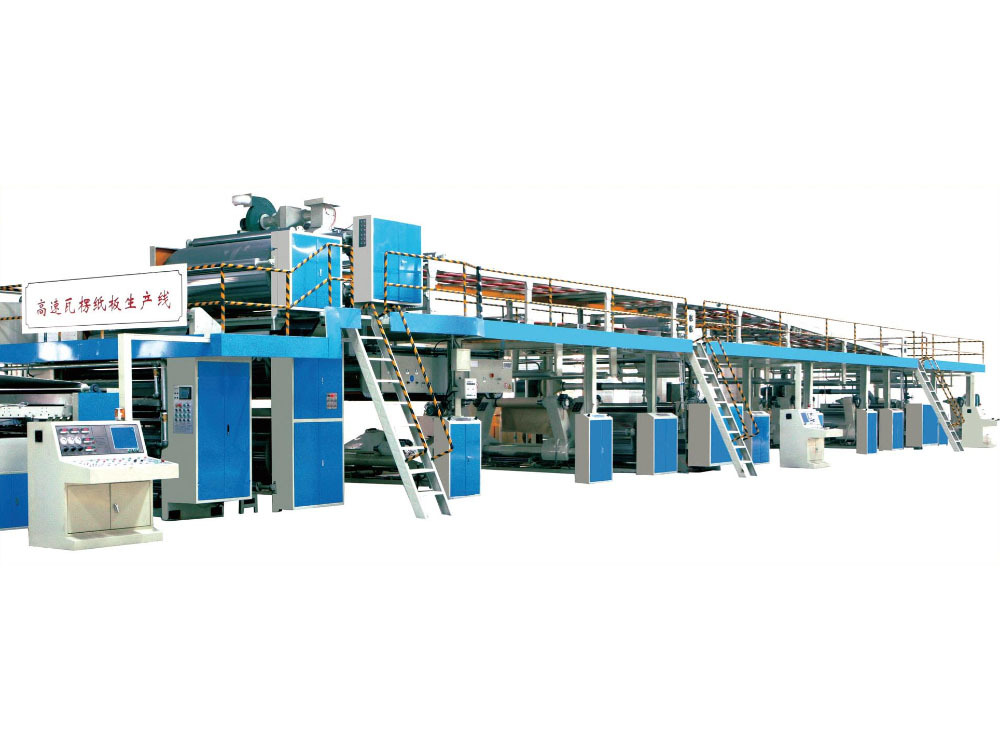
At its essence, a corrugated board production line is designed to create corrugated cardboard, which consists of a fluted corrugated sheet sandwiched between two linerboards. This structure provides strength and durability, making it ideal for shipping and packaging applications. The production process typically involves several key stages: material preparation, corrugating, cutting, and finishing.
Material preparation is the first step where raw materials, such as paper rolls, are sourced and prepared for the corrugating process. Quality control at this stage is critical, as the properties of the raw materials will directly impact the final product’s strength and appearance.
The next phase is the corrugating process, where the paper is heated and shaped into a fluted form. This step is managed by a corrugator machine, which applies heat and pressure to create the characteristic wave-like structure. Proper calibration of the temperature and pressure settings is essential to ensure a consistent product and reduce waste.
Once the corrugated medium is formed, it is glued between the linerboards, creating a sturdy sheet of corrugated board. This sheet then moves to the cutting stage, where it is trimmed to the required dimensions. Effective cutting technology not only improves efficiency but also minimizes material loss, leading to better resource management.
After cutting, the finishing process enhances the board's properties through treatments like printing and coating. These additional processes allow for branding and protection, further increasing the board's marketability. Integration of advanced technologies, such as digital printing, can set your production line apart by offering customization options.
To ensure a smooth and efficient operation, it’s vital to incorporate modern automation and control systems. These technologies can monitor and optimize the production parameters in real-time, reducing downtime and increasing productivity. Additionally, regular maintenance of equipment is crucial to prevent disruptions in the production flow.
In summary, a well-optimized corrugated board production line is a cornerstone of effective packaging solutions. By focusing on quality control, process efficiency, and technological enhancements, manufacturers can achieve significant improvements in product output and sustainability. For professionals in the manufacturing sector, understanding these dynamics is key to staying competitive in the evolving packaging landscape.
TAG:
Related Posts

Unlocking Efficiency in Packaging: The Role of Folder Gluers


We Provide Quality Carton Machinery for Global Customers


South Road West, Intersection of Guanzhou Road and Wuqian Road, Dongguang County, Cangzhou City, Hebei Province, China