We Provide Quality Carton Machinery for Global Customers
Exploring the Advantages of Flexographic Printing Press in Modern Manufacturing
Exploring the Advantages of Flexographic Printing Press in Modern Manufacturing
Table of Contents
- 1. Introduction to Flexographic Printing
- 2. What is Flexographic Printing?
- 3. Advantages of Flexographic Printing
- 4. Applications of Flexographic Printing in Manufacturing
- 5. The Future of Flexographic Printing
- 6. Frequently Asked Questions
- 7. Conclusion
1. Introduction to Flexographic Printing
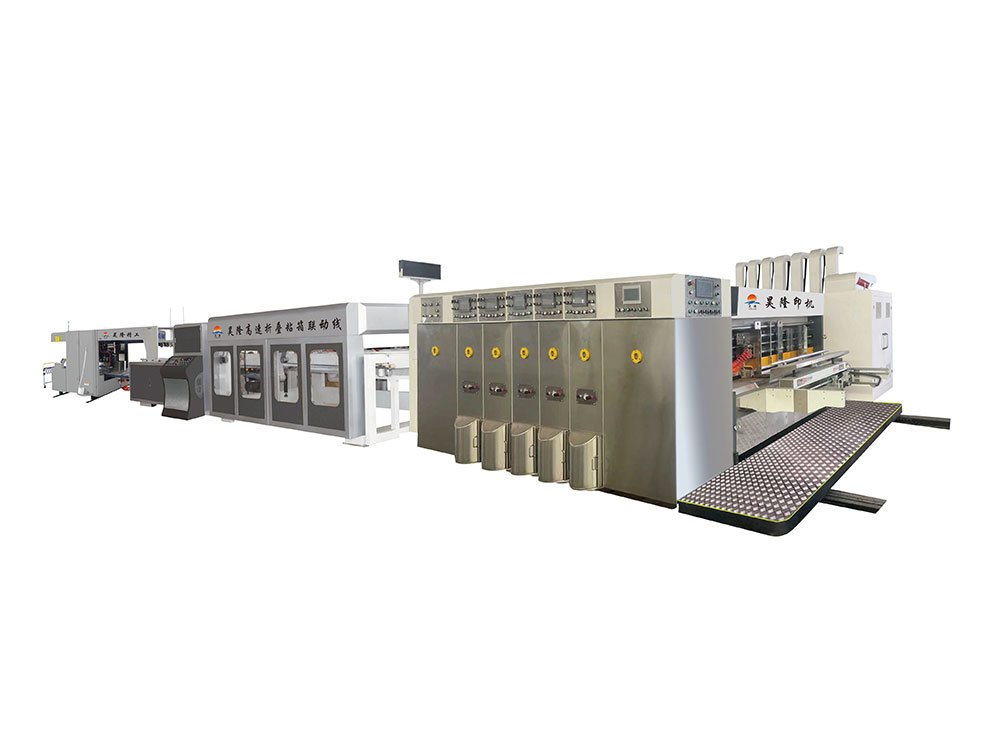
Flexographic printing, often abbreviated as flexo, has emerged as a popular choice in the realm of modern manufacturing. It is a versatile and efficient printing process that utilizes flexible relief plates to transfer ink onto a variety of substrates. From packaging materials to labels and even wallpaper, flexographic printing caters to a wide range of industries. In this article, we delve into the numerous advantages of flexographic printing presses in modern manufacturing and how they contribute to the efficiency and quality of production processes.
2. What is Flexographic Printing?
Flexographic printing is a rotary printing process that employs flexible photopolymer plates to print on various substrates. The technique uses fast-drying inks, which can be water-based, solvent-based, or UV-curable. The flexibility of the plates allows for the printing of high-quality images and text, making it an ideal solution for both long and short print runs. Flexography is renowned for its ability to produce vibrant colors, fine details, and consistent quality across different materials.
3. Advantages of Flexographic Printing
Flexographic printing offers several distinct advantages that make it a preferred choice in modern manufacturing environments. Below are some of the key benefits:
3.1 Cost Efficiency
One of the primary advantages of flexographic printing is its cost efficiency. The process is particularly economical for large volume print runs. The use of flexible plates reduces production costs, especially when compared to traditional printing methods like lithography. Furthermore, flexographic presses can operate at high speeds, which allows for a quicker turnaround time and a lower cost per unit. This makes it an attractive option for businesses looking to maximize their return on investment.
3.2 High-Quality Prints
Flexographic printing is capable of producing high-quality prints with exceptional detail and color accuracy. The use of advanced inks and flexible plates enables printers to achieve sharp images and vibrant colors, which are crucial for branding and product recognition. Additionally, the technology allows for smooth gradients and fine text, ensuring that every print meets the highest standards of quality.
3.3 Speed and Efficiency
In today’s fast-paced manufacturing environment, speed is of the essence. Flexographic printing presses are designed for high-speed operation, allowing for rapid production without compromising quality. The quick drying of inks also contributes to faster production cycles, meaning that manufacturers can fulfill orders promptly and keep pace with consumer demand.
3.4 Environmental Benefits
As sustainability becomes increasingly important in manufacturing, flexographic printing is making strides in reducing its environmental impact. Many flexographic inks are water-based, minimizing harmful emissions associated with solvent-based inks. Additionally, the efficient use of materials and reduced waste during production contribute to a more eco-friendly printing process. This commitment to sustainability not only benefits the environment but also enhances a company's reputation among environmentally-conscious consumers.
4. Applications of Flexographic Printing in Manufacturing
Flexographic printing is widely utilized across various sectors, showcasing its versatility and adaptability. Here are some of the most common applications:
4.1 Packaging
Flexographic printing is dominant in the packaging industry, where it is used to print on materials like films, cardboard, and corrugated boxes. The ability to print high-quality graphics and text on flexible packaging helps brands stand out on retail shelves.
4.2 Labels
Labels are another primary application of flexographic printing. Whether for food products, beverages, or consumer goods, flexographic technology allows for the production of vibrant, eye-catching labels that convey critical information and branding elements effectively.
4.3 Newspapers and Magazines
The flexibility and speed of flexographic printing make it suitable for printing newspapers and magazines. The ability to produce large quantities quickly and cost-effectively is essential in the fast-paced world of publishing.
4.4 Wallpaper and Decorative Materials
Flexographic printing is also employed in the production of wallpaper and other decorative materials, allowing for intricate designs and patterns that enhance interior spaces.
5. The Future of Flexographic Printing
The future of flexographic printing looks promising, driven by technological advancements and increasing demand for high-quality, sustainable printing solutions. Innovations in ink formulations and printing technologies are set to enhance the capabilities of flexographic presses further. Additionally, as manufacturers continue to prioritize sustainability, flexographic printing will likely play a significant role in producing eco-friendly packaging and products.
Moreover, the integration of digital technologies in flexographic printing is paving the way for hybrid production methods, where digital and traditional printing techniques coexist. This evolution will offer manufacturers greater flexibility, customization, and efficiency, ensuring that flexography remains a key player in the printing landscape.
6. Frequently Asked Questions
6.1 What types of substrates can be printed using flexographic printing?
Flexographic printing can be applied to a wide range of substrates, including plastic films, paper, corrugated cardboard, and even textiles. This versatility makes it suitable for various industries.
6.2 How does flexographic printing compare to other printing methods?
Flexographic printing is often more cost-effective and faster than traditional methods like lithography, especially for large print runs. It also offers superior print quality and the ability to print on diverse materials.
6.3 Is flexographic printing environmentally friendly?
Yes, many flexographic inks are water-based, which reduces harmful emissions. The efficient use of materials and reduced waste during production further contribute to its eco-friendliness.
6.4 What are the limitations of flexographic printing?
While flexographic printing excels in many areas, it may not be the best choice for very fine details or complex designs that require high-level precision, where digital printing might be preferred.
6.5 Can flexographic printing be used for small print runs?
Although flexographic printing is optimized for large volumes, advancements in technology are making it increasingly viable for shorter runs as well.
7. Conclusion
In summary, the advantages of flexographic printing presses in modern manufacturing are numerous and significant. From cost efficiency and high-quality prints to speed and environmental benefits, flexography stands out as a versatile printing solution that meets the diverse needs of various industries. As we look to the future, it is clear that flexographic printing will continue to evolve, driven by technological advancements and a growing emphasis on sustainability. By embracing flexographic printing, manufacturers can enhance their production processes, reduce costs, and contribute to a more sustainable future.
TAG:
Previous
Related Posts

Unlocking Efficiency in Packaging: The Role of Folder Gluers


We Provide Quality Carton Machinery for Global Customers


South Road West, Intersection of Guanzhou Road and Wuqian Road, Dongguang County, Cangzhou City, Hebei Province, China